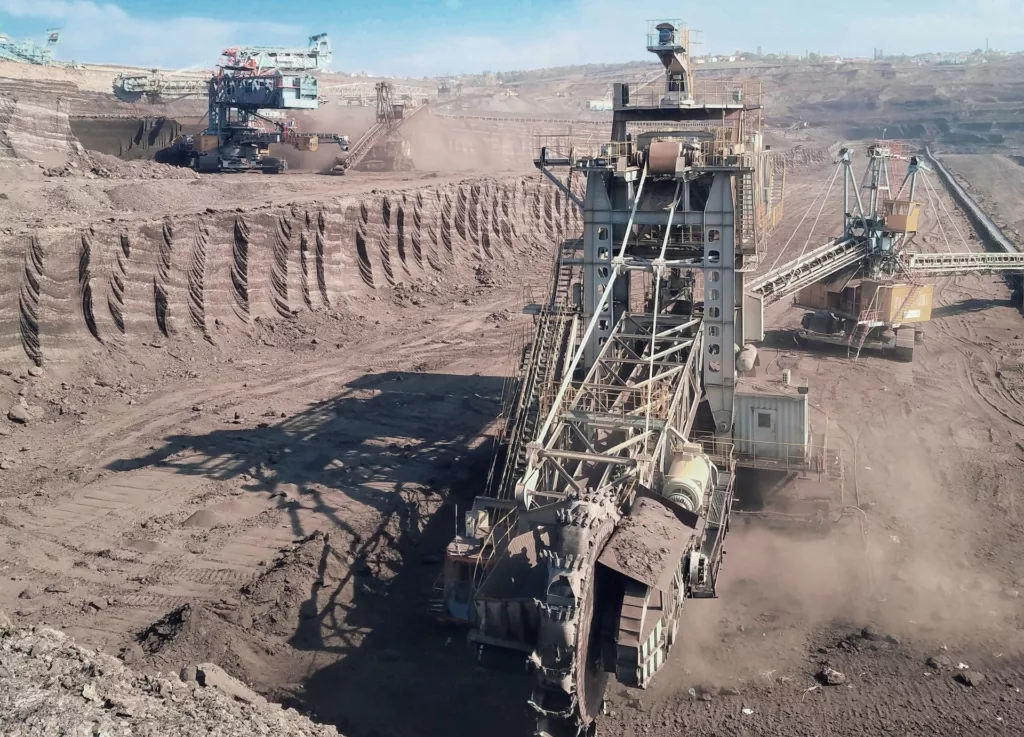
With mining opportunities expanding globally—especially in Greenland, where recent mineral discoveries have opened up new avenues for investment—the demand for durable and reliable mining equipment has never been higher. Greenland’s emerging mining industry, driven by its rich deposits of rare earth elements and other minerals, presents a significant opportunity for suppliers to provide robust material handling solutions.
Mining operations vary greatly in scale and complexity, which means choosing the right Heavy Duty Casters can make a substantial difference in efficiency and safety. Lighter-duty tasks, like moving smaller carts within the facility, require nimble and cost-effective solutions, while heavier-duty operations, such as handling rocks on conveyor belts, need casters designed for extreme loads and harsh impacts.
Understanding these differences is crucial for operators aiming to optimize efficiency, safety, and cost-effectiveness in their mining operations. Selecting the right caster can reduce downtime, improve material handling, and extend equipment life. In this guide, we will explore what mining casters are, how they differ from other options, and how to choose the right casters for your specific operational needs.
Heavy-Duty Casters for Mining Applications
CasterCity offers a range of heavy-duty solutions tailored for the mining industry. Our products, including flanged wheels and models 50, 100, and 150, are designed to handle the unique challenges of mining environments.
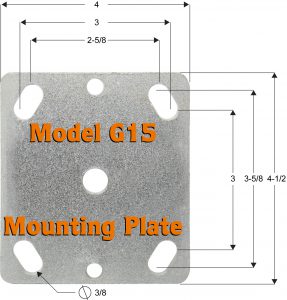
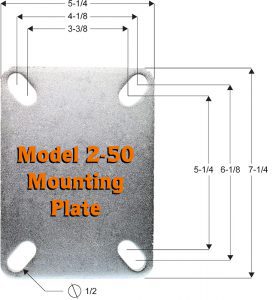
CasterCity is adding flanged wheels as SKUs to offer even more flexibility for mining operations. These wheels can be integrated with the G15 rigid brackets or the Model 30 and Model 50 rigid brackets, depending on specific project needs. This adaptability ensures that carts stay securely on track, even in the most demanding environments.
The versatile Model 50 is ideal for lighter mining needs, while the more robust Models 100 and 150 are built to withstand heavy loads and the impact of materials, such as rocks landing on conveyor systems.
Beyond flanged wheels, mining operations often require casters capable of withstanding substantial loads and harsh conditions.
Model 100: Ideal for medium to heavy-duty applications, this caster supports significant weight while ensuring smooth movement.
Model 150: Built for the heaviest loads, this model is perfect for equipment subjected to extreme weights and impacts, such as conveyor systems receiving heavy rocks.
For operations with lighter load requirements, the Model 50 offers a balance between durability and maneuverability, making it suitable for various mining equipment needs. Additionally, the 3.5-inch single flanged track wheel and the 4-inch single flanged track wheel offer varying load capacities and materials for different mining needs.
Understanding Flanged Wheels in Mining
Flanged wheels play a crucial role in mining operations, ensuring stability, safety, and efficiency. These wheels are specially designed to keep mining carts securely on track while carrying heavy loads. The key feature is the flange—a rim or projecting edge on the wheel—that prevents carts from derailing, especially in rugged mining environments.
How Do Flanged Wheels Work?
The flange acts as a guide, hugging the rail and keeping the cart aligned during movement. This design not only reduces the risk of derailments but also distributes the cart’s weight more evenly, taking pressure off the floor. As a result, flanged wheels roll more smoothly and help maintain the integrity of the tracks and floors over time.
Types of Flanged Wheels
Different mining operations require different types of flanged wheels. Here’s a breakdown:
Single-Flanged Wheels: Featuring a flange on only one side of the tread, these wheels are ideal for in-plant operations where simple guidance is needed.
Double-Flanged Wheels: Designed for precise tracking, these wheels are perfect for heavy-duty mining operations where carts need to follow specific paths without deviation.
Flat-Faced Wheels: Though lacking flanges, these wheels offer more lateral movement and are suitable for applications where tight turns are necessary.
Benefits of Using Flanged Wheels in Mining
Enhanced Safety: The risk of derailments is significantly reduced, helping to prevent workplace accidents.
Self-Guiding Design: Flanged wheels naturally stay on track without the need for a driver, improving operational efficiency.
Superior Load Capacity: With excellent shock absorption and tensile strength, flanged wheels handle heavy loads with ease.
Floor Protection: By distributing the load more evenly, flanged wheels reduce floor wear and tear, leading to longer-lasting infrastructure.
Beyond Mining: Other Applications of Flanged Wheels
While mining is one of the primary industries using flanged wheels, they are also essential in other heavy-duty applications:
Aerospace: Used in manufacturing plants to transport large components safely.
Pipeline Engineering: Employed to move heavy pipeline materials.
Mechanical Engineering: Ideal for machinery that requires guided movement along fixed tracks.
Here are the best ways to use Heavy Duty Casters
Heavy Duty casters, also known as industrial casters are a type of rolling caster that is designed for use in industrial settings. They are often used in applications where heavy loads need to be moved, such as in factories or warehouses. Industrial casters typically have a higher load capacity than other types of casters, and they may also be designed to withstand more rugged use. Industrial casters are available in different sizes. Heavy duty casters are designed and manufactured to support loads of 1,600 pounds or more. These casters are typically used to move large machines and other heavy equipment. This article will briefly examine how businesses use industrial casters to improve their operations.
How Heavy Duty Casters Increase Business Convenience
Heavy Duty casters are an essential part of any business that needs to move heavy equipment or products around. They allow for easy and convenient movement, which increases efficiency and productivity.
The use of industrial casters can increase business convenience in several ways. First, they can help to improve the efficiency of operations by allowing for quick and easy movement of heavy equipment and materials. By reducing the amount of time and labor needed to move products or equipment, businesses can save money on operational costs. Casters are also useful for businesses that need to frequently move products around, such as restaurants or retailers.
Second, they help to improve safety conditions by reducing the risk of injuries associated with lifting and moving heavy objects. Using casters can make it much easier to move heavy objects without needing to lift them, and the reduced risk of injury can help businesses save money on workers’ compensation insurance costs.
Third, they can help to improve the quality of products by reducing the likelihood of damage during transportation. This can help to cut down on the costs of product recalls, which are expensive and can harm a company’s brand.
Heavy Duty Casters – Components
Heavy Duty caster parts and pieces are the essential components of an industrial caster. Without these parts, an industrial caster would not be able to function properly. The most important part of an industrial caster is the wheel. The wheel is what allows the caster to move freely and effortlessly across a surface. Other important parts of an industrial caster include the frame, the axle the bearings, and the brakes. When considering industrial casters for your business it is critical that you choose parts from the highest quality manufacturers.
What Factors Determine Load Capacity on Heavy Duty Casters?
There are a few key factors to keep in mind when determining the load capacity of your industrial casters. The first is the type of wheel material. Some materials, such as nylon, can handle more weight than others. Another factor to consider is the width of the wheel. A wider wheel can distribute weight more evenly and support more weight overall. Finally, you’ll want to consider the caster’s bearings. Stronger bearings can support more weight without breaking down over time.
What to Look for in Heavy Duty Casters
Choosing the right heavy-duty casters for your industrial needs can be a daunting task, but it doesn’t have to be. This article will help you navigate factors you need to consider when choosing industrial casters.
Caster Types
There are three main types of industrial casters: swivel, rigid, and pneumatic. Each of these types of casters will help you get the job done, but there are a few things to consider when choosing one over another.
Swivel Casters
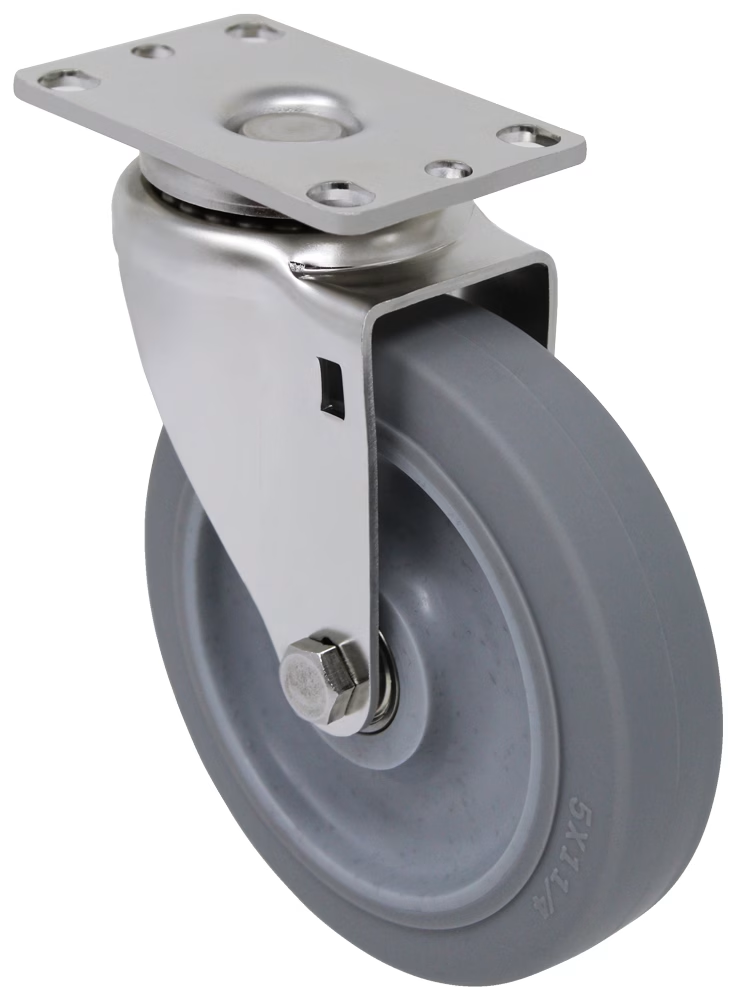
Swivel casters are the most common type of caster and are ideal for use on smooth surfaces. Swivel casters have a 360-degree range of motion and allow their object to be turned in a complete circle. Due to superior maneuverability, swivel casters are great for moving equipment. They are commonly used to move items such as desks, tables, and chairs.
Rigid Casters
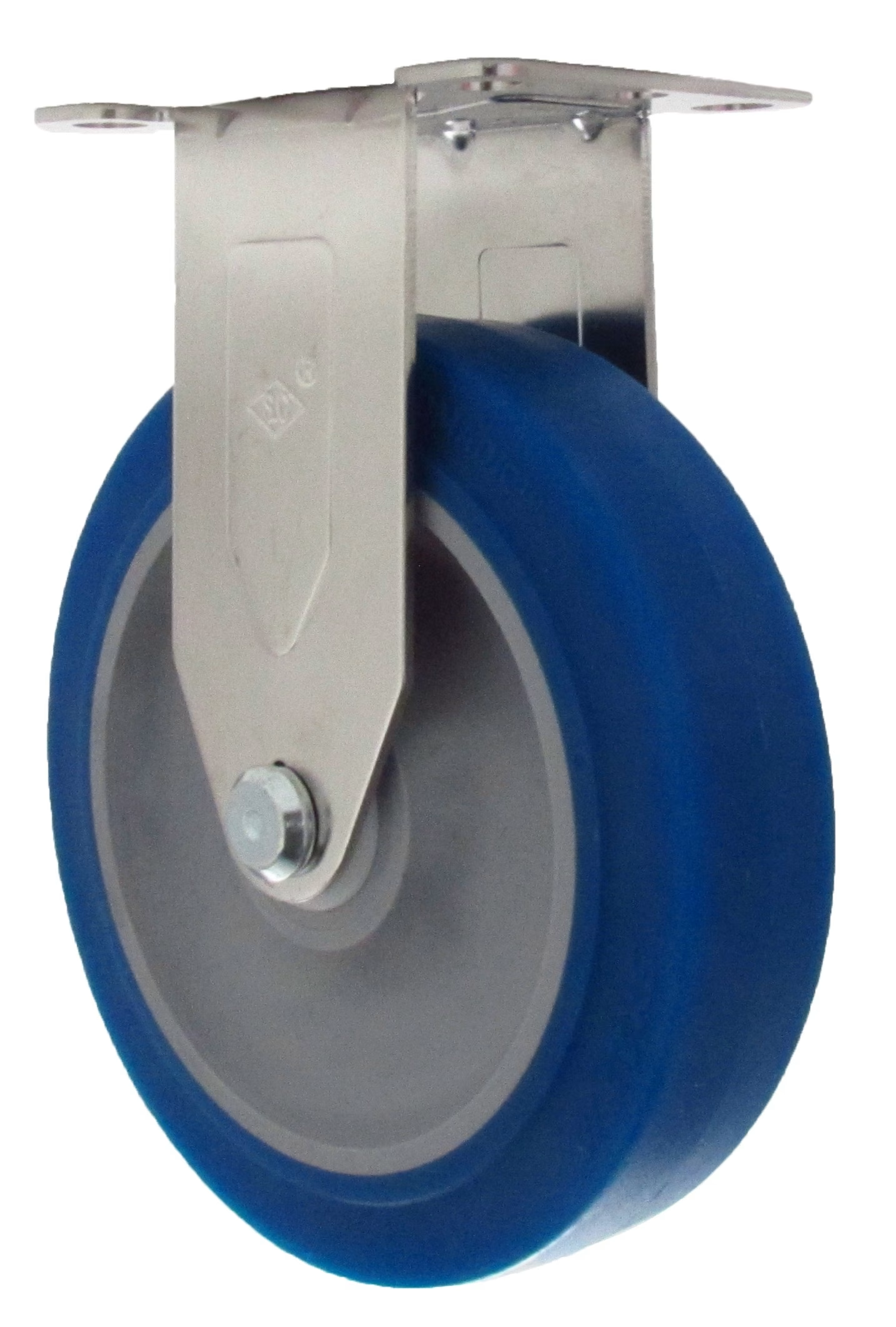
Rigid casters have a limited range of motion and are best suited for use on rough or uneven surfaces. Rigid casters are less expensive than swivel casters and are often used to move large, heavy equipment. Since they are designed to handle a great deal of weight and are noted for durability, rigid casters are often found on equipment used in the construction industry and other industries that require extended use.
Pneumatic Casters
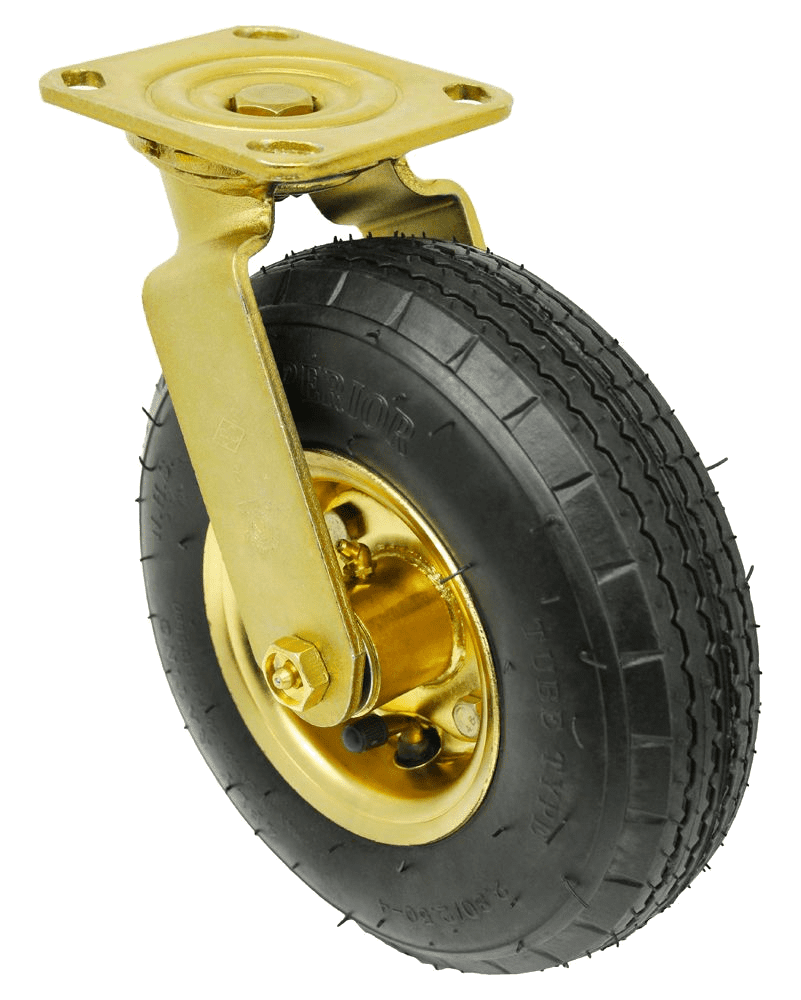
Pneumatic casters are a type of caster that uses air pressure to create a soft, cushioning effect. This makes them ideal for use on delicate floors or in areas where vibration is an issue. When choosing pneumatic casters, it is important to consider the load capacity and inflation pressure. Pneumatic casters are wheels that are inflated with air in order to provide cushioning and shock absorption. Rigid casters are often used on chairs, carts, and other furniture to make them easier to move around.
Caster Materials
Casters are made with a variety of materials, including steel, rubber, and plastic. Each material has its own advantages and disadvantages. For example, plastic casters are more affordable than other types but aren’t as durable as steel casters. Steel casters tend to be the most expensive but are also the most durable.
Caster Weight Capacity
When it comes to choosing industrial/heavy-duty casters, one of the most important factors to consider is the caster weight capacity. This will determine how much weight the caster can support and is therefore an important factor in ensuring that your equipment and materials are moved safely and securely.
To determine the weight capacity of a caster, take into account the materials with which the caster is made, as well as the caster dimensions. The size of the caster will affect how much weight it can support, as well as the type of materials used. For example, a forged steel caster will be able to support more weight than a soft rubber one. In addition, you need to consider the environment in which the caster will be used.
There are a few different ways to determine the weight capacity of a caster. The first is by looking at the manufacturer’s specifications. This will give you a good idea of what the maximum weight capacity of the caster is.
A more informal method is to do a test run. This involves putting some weight on the caster and seeing how it handles it. This can be done with a piece of equipment or material that you intend to move with the caster.
Once you have determined the weight capacity of the caster, make sure that it is suitable for the equipment or materials that you will be moving. If you are moving heavy equipment, make sure that the caster can support its weight. If you are moving delicate materials, be certain that the caster will not damage them.
Caster Size
Next, when choosing an industrial also known as a heavy-duty caster, you need to consider its size. The size of the caster needs to be appropriate for the space in which it will be used. Choosing a caster for a small space can be tricky. You want to make sure that the caster is small enough to fit in the space, but also that it is durable and can hold up to whatever you will be using it for.
Surface Requirements
When it comes to choosing heavy-duty casters, the next factor to consider is surface requirements. What type of surface will the heavy-duty caster be rolling on? Is it a smooth concrete floor or an uneven outdoor surface? The answer to this question will determine the type of wheel you need.
If you’ll be using your industrial casters on a smooth, level surface like a concrete floor, then you can choose from a variety of wheel materials including nylon, urethane, and steel. These materials all have different benefits and drawbacks that you’ll want to consider before making your final decision.
Nylon heavy-duty caster wheels are very popular because they’re inexpensive and they offer good traction. However, they’re not as durable as other wheel materials and they can’t handle heavy loads. Urethane wheels are more expensive than nylon wheels but they’re much more durable. They’re also great for use on uneven surfaces because they offer good shock absorption. Steel wheels are the most expensive option but they’re also the most durable. They can handle heavy loads and they’re great for use on both smooth and uneven surfaces.
No matter what type of wheel material you choose, make sure it’s compatible with the surface you’ll be using it on. Otherwise, you won’t get the results you’re looking for and your industrial casters won’t last as long as they should.
Brake Requirements
Another important factor to consider is brake requirements. The brakes on your caster must be able to handle the weight and load of your application. You can find this information in your caster’s manual. There are two types of brakes – hydraulic and mechanical. Mechanical brakes are often used on lightweight industrial casters while hydraulic brakes are more suitable for heavy-duty applications.
Another factor to consider when deciding brake requirements is the environmental conditions where the caster will be used. If you will be using the caster in a wet or corrosive environment, you need to make sure the brake is made for that type of environment. For example, if the caster will be used in a wet area, it’s best to choose a brake that is sealed. Sealed brakes are designed not to allow water inside so they can operate properly and safely in wet conditions.
Conclusion
When it comes to choosing the right industrial casters for your business, there are several factors you need to consider. While the task may seem overwhelming, it doesn’t have to be. By taking the time to evaluate your specific needs, you can choose the best industrial caster for your business.
PX Polyurethane on Iron: A Top Industrial Heavy-Duty Caster
Are you sick and tired of industrial caster wheels breaking down or failing under large loads? This article will demonstrate how our PX Premium Polyurethane on Iron Wheel with a load capacity of up to 10,000 lbs will increase productivity, decrease maintenance requirements, and enhance safety. Read on to see why it’s the ideal option for your heavy-duty casters by reading on.
Key Features of the PX Premium Polyurethane on Iron Wheel
For demanding industrial applications, PX Premium Polyurethane on Iron Wheels offers strength and smooth use. These wheels, which are made to support large weights, provide enduring performance even in challenging conditions.
High Load Capacity
The PX Premium Polyurethane on Iron Wheel easily supports heavy loads in tough industrial settings. Its 16×5-inch model carries weight up to 10,000 lbs, perfect for aerospace and heavy equipment handling.
The cast-iron core provides lasting endurance under extreme pressures. Multiple widths and diameters fit into various custom heavy-duty caster setups like dual wheel casters. Options include swivel-lock or face-contact brake.
Superior Durability
PX polyurethane casters deliver superior durability for tough industrial use. A special formula reduces internal heat buildup, extending industrial uptime and also increasing wheel life and cutting down wear. Polyurethane is a Chemical-resistant material that allows these heavy duty casters to resist oils while rolling without damage or weakening.
Cast-iron cores add stability that stands strong under heavy stress, supporting loads up to 10,000 lbs in the 16×5 size and 8,000 lbs in the smaller 12×4 configuration. Custom options such as swivel locks or brakes further boost operational strength.
Resistance to Wear and Tear
These robust industrial casters are made of a unique polyurethane blend. Wheel life is increased, wear is decreased, and internal heat accumulation is decreased. Flat areas under stationary loads or during prolonged use in challenging conditions are avoided by the resilient nature of the 95A durometer’s strong tread.
On factory floors or warehouse aisles, non-marking polyurethane treads cushion impacts and shield surfaces from harm. In order to extend their performance under challenging industrial settings, they can also withstand chemicals well and handle oils, and grease with ease.
Even under high load pressures, like those found in busy manufacturing lines or military installations, the self-energizing design of the soft tire deflection makes mobility easier while shielding the floor and wheels from additional damage.
For engineers, warehouse managers, military commanders, and purchasing managers searching for heavy-duty wheels suitable for demanding applications on a daily basis, durability remains high when these elements are integrated into a single, powerful caster idea.
Smooth and Quiet Operation
The PX Premium Polyurethane on Iron Wheel rolls quietly and smoothly, cutting down noise and vibration. Its non-marking, impact-absorbing tread keeps floors free of marks and dents.
This protects factory floors and warehouse concrete from damage during heavy use. It also includes precision sealed ball bearings or optional tapered roller bearings for maintenance-free performance.
The self-energizing design ensures easy startup and steady movement across smooth surfaces. Next, explore how these caster wheels can boost efficiency in your industrial operations.
So what are the benefits of using a Premium Polyurethane on Iron Wheel?
PX Premium Polyurethane on Iron Wheels help your operation run better, keep your costs down in the long term, and will keep your operators safe and you free from unnecessary lawsuits.
Enhanced Efficiency in Industrial Applications
The PX Premium Polyurethane on Iron Wheel boosts efficiency in industrial settings.
Its special polyurethane formula reduces heat buildup, keeping wheels cool with heavy use. Wheels cooler reduce wear and extend lifespan, cutting downtime for repairs or replacements. The wheel’s high load capacity of up to 10,000 lbs for the 16×5 size supports heavy-duty tasks. Quiet and smooth operation lowers vibration and noise levels in plants or warehouses. Non-marking tread prevents floor damage and absorbs shocks from impacts, ensuring safe workspaces. Custom options like swivel locks or brakes fit unique operational needs for better workplace productivity.
Reduced Maintenance Costs
PX Premium Polyurethane on Iron Wheels cut maintenance costs significantly. Special polyurethane slows heat buildup, extending the wheel’s life and cutting down replacement needs. Precision sealed ball bearings or optional tapered roller bearings give smooth performance without constant upkeep.
With its hard 95A tread rating, this sturdy caster resists deformation and flat spots, making replacements rare. Non-marking, chemical-resistant material helps protect floors from impact damage.
Proven reliability of PX wheels means reduced downtime and lower repair expenses for your business.
Improved Safety for Operators
Lower maintenance costs help your budget and boost safety on site too. The PX Polyurethane on Iron Wheels roll quietly, which cuts noise and vibration in busy work areas. Non-marking tread keeps smooth floors free from marks or damage to reduce slips and falls.
Impact-absorbing wheels also protect workers if loads drop or equipment tips over during handling. With a strong capacity of up to 10,000 lbs per wheel, stability stays high even with large cargo or heavy tools.
Soft, resilient polyurethane is safe for use in tough industrial spaces. Options like swivel locks and brakes further add control during transport tasks.
Trustworthy caster solutions made for the demanding requirements of industrial facilities give operators peace of mind that they are safeguarded at every turn.
Ideal Application Use for the Premium Polyurethane on Iron Wheel
PX Premium Polyurethane on Iron Wheels are a top choice in tough, demanding workplaces. They perform best in industries where heavy loads and high reliability matter most.
Manufacturing Facilities
Manufacturing facilities face constant pressure to deliver high performance. PX Premium Polyurethane on Iron Wheels support heavy industrial tasks, offering load capacities up to 10,000 lbs for 16×5 sizes and up to 8,000 lbs in the smaller 12×4 size.
The wheel’s non-marking tread protects factory floors from damage while absorbing impact efficiently. Its special polyurethane design reduces internal heat buildup during continuous use and greatly extends its lifespan.
Factories by their nature can be harsh places with chemicals and rough conditions. The combination of a strong cast-iron core with tough, resilient polyurethane makes sure these caster wheels remain stable under tough working environments common in aerospace plants, automotive assembly lines, or heavy manufacturing sites.
Products come in many widths and diameters to match specific needs found in various industrial caster setups. Their quiet operation further adds comfort for workers dealing daily with loud equipment noise levels inside busy production settings.
Warehousing and Logistics
PX Premium Polyurethane on Iron Wheels maintain smooth and quiet movement in busy logistics centers. With up to 10,000 lbs load support, these caster wheels easily handle heavy pallets and equipment found in industrial warehouses.
Non-marking treads protect warehouse floors from scratches or damage during constant use. Precision sealed ball bearings deliver maintenance-free performance through many temperature ranges often seen with indoor and outdoor operations.
Custom options such as swivel locks or brakes also boost efficiency for workers moving equipment frequently through large storage spaces.
Aerospace and Heavy Equipment Handling
Aerospace and heavy equipment handling need caster wheels that handle extreme loads. Polyurethane on iron wheels offer the strength needed to move parts smoothly. They ensure smooth rolling across factory floors, event tarmacs, or hangars.
The polyurethane tread cuts vibration and noise during transit, keeping sensitive equipment safe and stable.
Operators can easily steer large devices with swivel casters, making precise placement simple even in tight spaces. Rigid casters give steady control for straight-line moves of bulky aerospace items or machinery.
Dual wheel models like the 12-inch extra heavy-duty version spread weight evenly to protect flooring from damage under massive cargo like engines or aircraft sections.
The 8″ Swivel Automotive Caster Premium Polyurethane on Iron carries loads up to 8,000 lbs. Its special polyurethane formula lowers heat buildup inside the wheel and lengthens its useful life.
The hard 95A tread absorbs impacts and resists flattening under weight, ideal for fixed equipment use. Additionally, this caster is great minimal noise/vibration in factories and warehouses.
This caster features a non-marking tread that protects floors from scratches or scuffs. You can choose from different sizes and widths to fit their specific industrial needs for heavy-duty caster wheels.
8″ Rigid Automotive Caster Premium Polyurethane on Iron
Strong and reliable, this rigid caster features an iron core wrapped in tough polyurethane. Its special formula cuts down heat buildup inside the wheel, letting it roll longer without damage.
The heavy-duty design supports high loads, industrial tasks, and automotive operations that demand strength. This rigid model quietly navigates factory floors or warehouse concrete, thanks to a smooth tread that absorbs shock without marking surfaces.
Chemical exposure poses no issues either; oil spills, grease splashes won’t harm its durable coating. You can customize your setup with swivel locks or brakes to match exact operating needs or safety standards.
Ideal usage includes assembly lines, maintenance bays at military facilities, engine-moving carts in auto plants any environment needing strength plus protection from impact and chemicals.
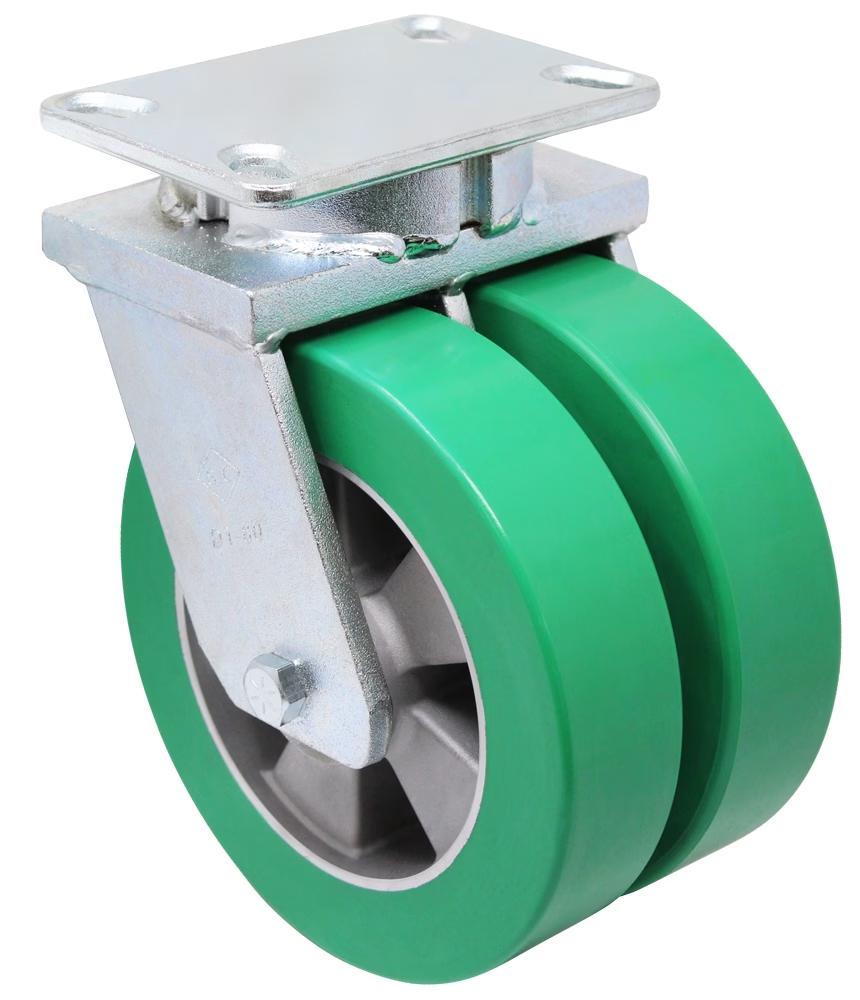
12″ Dual Wheel Swivel Extra Heavy Duty Polyurethane on Iron Model 2-150
This Dual Wheel is ideal for tough industrial jobs. With dual wheels, this heavy-duty caster supports high loads and gives stable movement, even under extreme conditions.
The swivel design lets you easily move large equipment around sharp turns or tight spaces.
This polyurethane-on-iron wheel rolls smoothly, keeping factory floors quiet and reducing vibration during transport. Its durable build means it handles constant use without wear or damage.
It’s a smart choice for warehouse managers, military officers, engineers and purchasing teams who need reliable performance in demanding workplaces like manufacturing plants or aerospace sites.
Dual Wheel and Ergonomic Casters: A Comprehensive Guide
Ergonomic caster wheels with a crown-shaped or convex tread profile are designed to require less effort to change direction compared to flat-tread wheels. This is because the crown shape causes the wheel to pivot around a central point, which reduces friction and makes steering or turning smoother.
Here’s why crown-shaped caster wheels are advantageous:
Reduced Friction: The highest point of the crown carries most of the load, resulting in less contact area with the ground. This reduces friction and makes it easier to initiate and maintain motion. This helps crown-tread wheels roll easier over carpet as well.
Better Steering Control: When you want to change direction, the wheel naturally tends to rotate around the high point of the crown, facilitating steering. This is particularly useful in applications where precise control and maneuverability are required.
Less Resistance: With less friction and resistance, less force is required to turn or steer the wheel, which can reduce operator fatigue and make equipment more efficient.
What’s the difference between ergonomic and dual wheel?
Another kind of ergonomic caster are dual-wheel casters. Dual wheel casters, also known as twin wheel casters, offer advantages when it comes to changing direction compared to single-wheel casters. This is primarily due to the differential action of the wheels as they rotate in opposite directions. Here’s how this works:
Improved Stability: Dual-wheel casters provide better stability because they distribute the weight load over a larger area than a single-wheel caster. This added stability helps prevent tipping and allows for smoother movement.
Differential Action: When you change the direction of a dual-wheel caster, the wheels rotate in opposite directions. This differential action minimizes the resistance and effort required to turn or pivot the caster, making it easier to change direction. The wheels effectively counteract each other’s resistance, resulting in a smoother swivel.
Maneuverability: Dual-wheel casters are often used in applications where precise maneuverability is crucial, such as office chairs, furniture, and equipment that needs to navigate tight spaces.
What kind of Caster do I pick?
Overall, dual-wheel casters are preferred in situations where ease of direction change, stability, and smooth movement are important considerations. They excel in providing better control and maneuverability compared to single-wheel casters.
Capacity up to 1200lbs per casterCapacity up to 2000lbs per caster.Capacity up to 4000lbs per caster.
Choosing the Right Dual Wheel Casters
Moving heavy equipment should feel safe and smooth. Dual wheel casters help make that happen. These twin wheel casters spread weight, improve stability, and protect floors from damage. This guide explains the basics, the key benefits, and how to select the right set from Caster City. Use it to upgrade safety and efficiency on your floor.
What are Dual Wheel Casters?
Dual wheel casters use two wheels mounted side by side on one yoke. A yoke is the fork that holds the wheels and hardware. The two-wheel layout spreads weight over a larger area. That improves balance and reduces pressure on the floor.
Factories, warehouses, and labs use this dual wheel design for carts, racks, and equipment. It works well on rough or uneven surfaces where single wheels can struggle. Common wheel materials include rubber, polyurethane, and phenolic. Polyurethane is a tough plastic that resists cuts and wear. Phenolic is a resin compound that handles heat and heavy loads.
Caster City offers many wheel materials and sizes for specific needs. You can sort by heat resistance, floor type, and load capacity right from the site menu. That makes selection faster and more accurate.
Dual wheel casters carry heavier weights with less risk of floor dents.
Advantages of Dual Wheel Casters for Heavy-Duty Applications
Dual wheel casters offer a strong solution for heavy-duty applications. They keep equipment wheels steady and support high load capacity, explore more ways they improve stability and mobility solutions.
Increased weight capacity
Two wheels share the load and reduce stress on each wheel. This increases load capacity and lowers the chance of wheel failure. The wider footprint also protects floors by lowering point pressure.
In busy plants, higher capacity means fewer trips and fewer changeouts. The result is better uptime and less repair cost. Pair the right wheel material with the right bearing type to get smooth rolling under peak loads.
Better stability and balance
Side by side wheels add contact area and improve stability. Better weight distribution reduces tipping risk during starts, stops, and turns. This helps on ramps, dock plates, and cracked concrete.
Rubber and polyurethane provide grip for safer handling. Larger dual wheel sizes roll over obstacles with less shock. That protects both the product and the team.
More contact area from two wheels brings better balance and safer movement.
Reduced floor damage
Dual wheel casters lower floor pressure by spreading the load. Concrete, epoxy, and vinyl surfaces benefit from that wider footprint. Scratches and dents occur less often, so floor life increases.
Facility audits often show less wear after switching to dual wheels. That helps control maintenance budgets. It also keeps rolling resistance predictable, which supports safe handling.
Key Features to Look for in Dual Wheel Casters
Strong dual wheel casters depend on smart features, read ahead to see how the right choices in design and mobility solutions can change heavy-duty applications.
Material durability
Wheel composition has a big effect on life and safety. Choose materials that match the load, surface, and environment. A few common options include:
Polyurethane, resists cuts and abrasion, friendly to most floors.
Rubber, quiet rolling and good grip, moderate loads.
Phenolic, handles heat and heavy loads, can mark soft floors.
Steel or cast iron, very high capacity, noisy and hard on floors.
TPR wheels, thermoplastic rubber that runs quiet and resists chemicals.
Moisture, oils, and chemicals can break down some materials. Heat can also reduce strength. Pick a wheel that tolerates your environment to minimize downtime and replacement costs.
Swivel and locking mechanisms
Swivel casters turn the wheel set around a vertical axis. This improves maneuverability in tight aisles and busy cells. Quality swivel bearings reduce friction and help tracking.
Locks matter for safety and setup. A wheel brake stops the wheel from rolling. A total lock stops both rolling and swiveling at once. Choose a lock style that fits your process and floor slope. Good locks add control during loading and changeovers.
Load capacity
Load capacity is the maximum weight a caster can carry safely. Dual wheel casters raise capacity by splitting the load. Steel and phenolic wheels usually carry more than rubber or soft compounds.
Always check the rating sheet for each model. Consider both static load and moving load. Movement adds impact and side forces, so ratings can change. Correct sizing protects equipment and people.
High-temperature resistance
High heat can soften plastics and reduce bearing life. For ovens, foundries, or curing rooms, use wheels rated for heat. Nylon blends and phenolic often work well in hot zones. Some designs keep rolling up to 475°F.
Heat rated swivels and grease also matter. Matching all parts to the temperature prevents sudden failure and protects floors from heat transfer. That keeps mobility steady under stress.
How to Choose the Right Dual Wheel Casters from Caster City
Choosing the right heavy-duty casters can affect both safety and efficiency on your floor. See how Caster City’s dual wheel casters meet strict load capacity needs, then explore more options for equipment wheels or furniture wheels, all built with industrial strength in mind.
Identify your application needs
Start with a short checklist. This keeps selection fast and clear:
Required load per caster and total cart weight.
Wheel material that fits the floor and environment.
Steering needs, swivel casters, rigid casters, or a mix.
Brake style, wheel brake or total lock, for safety.
Wheel diameter and tread width for obstacles and gaps.
Also review duty cycle. Long pushes and frequent turns call for low rolling resistance. For example, a cart used every hour needs different wheels than a cart moved once a week.
Consider surface type and environment, including high-temperature conditions
Surface drives wheel choice. Hard wheels roll easier on smooth concrete. Softer rubber helps on delicate floors or tile. Polyurethane offers a good mix of low wear and floor protection on most surfaces.
Watch for moisture, oils, chips, and chemicals. Polyurethane and TPR resist many of these threats. For hot zones, check the wheel’s temperature limit. Some standard wheels lose strength above 180°F. Caster City carries high heat designs that hold shape and performance up to 475°F.
Correct wheel size helps cross thresholds and expansion joints. Larger diameters roll easier under load and over debris. That means fewer push forces and better ergonomic design.
Match load requirements with caster specifications
Calculate the minimum rating per caster. Divide the total loaded weight by the number of casters. Then add a safety margin for shock and uneven floors. If a cart weighs 2,000 pounds on four casters, aim for at least 600 pounds per caster to allow for dynamic forces.
Confirm the rating for your wheel material and bearing type. Harder materials often carry more, but they can be harsher on floors. Make sure the mounting plate or stem fits your equipment. Proper match improves stability, protects people, and extends service life.
Conclusion
Choosing the right dual wheel casters can make a big impact on your work. Strong, stable, and easy to move, these casters help you get the job done fast. Heavy-duty casters mean better support for large loads and safer handling every day.
Swivel casters and rigid types let you set the steering you need. The right wheel materials give smooth rolling on clean floors and dependable traction on rough ones. Caster City has supplied quality equipment wheels since 1977. Our team can help size twin wheel casters, pick locks, and match heat limits to your process.
Pick with care to keep your operation safe, steady, and efficient from the start. For fast help with replacement casters, furniture casters, or low profile casters, visit our website or call us. For high heat areas, see the full line of high-temperature casters for tested performance. If your site has special safety rules or legal standards, consult a qualified safety professional before purchase or installation.
Heavy Duty Vs. Regular Casters: A Breakdown Of Weight Capacity
Choosing the right casters for your project or equipment can feel like a daunting task. With so many options out there, how do you know which type is best suited to your needs? One key factor to consider is weight capacity – and this is where heavy duty and regular casters come into play.
Did you know that heavy-duty casters are designed to support loads over 2,000 lbs., distinguishing them significantly from their regular counterparts?
This article breaks down the differences in weight capacities between heavy-duty and regular casters, offering insights into how each type can best serve your engineering requirements.
From light-duty tasks that need finesse to industrial applications demanding brute strength, understanding these distinctions could save you time and resources. Ready to learn more? Keep reading!
What are Casters and Their Different Types?
Castors are wheeled devices that are attached to the bottom of larger objects, allowing them to be easily moved across the floor. There are two main types: heavy-duty casters and regular casters, each with its own unique features and uses.
Heavy Duty Casters
Heavy duty casters are built tough. They can handle more than 2,000 lbs., making them perfect for big jobs. Industries like manufacturing and aerospace trust these casters to move heavy equipment smoothly.
These powerful wheels make work easier by reducing the force needed to push or pull heavy loads.
These industrial casters come in different sizes and materials, offering options for any heavy-duty project. With their strong build, they ensure safety and reliability in workplaces where moving large items is daily work.
Engineers prefer these casters for projects that demand durability and high performance.
Regular Casters
Regular casters are the go-to for everyday tasks. They’re made to handle loads that don’t push the limits too hard, usually up to 1,250 lbs. This makes them perfect for office chairs, light machinery, and even some home furniture.
Easy to move around, they keep things rolling smoothly without asking too much from you. Simplicity in motion – regular casters make moving an effortless task.
Leading into how we determine what weight capacity is needed…
Weight Capacity Breakdown
Casters come in various weight capacities, which impact their performance. The strength of the caster can range from 1,250 lbs. for regular casters to over 2,000 lbs. for heavy-duty casters and even higher for extra heavy-duty options.
The weight capacity breakdown plays a crucial role in selecting the right caster for different applications and industries, ensuring efficient and durable mobility solutions.
Casters with 1,250 lb. Capacity
Casters that support up to 1,250 lb. make a big impact in many projects. They are strong enough for hefty tasks yet flexible for various applications. Think of them as the middle ground – not too heavy, but far from light.
Engineers prefer these casters for equipment that needs to move smoothly under significant weight. Their design balances durability and mobility beautifully.
Moving on to heavier loads challenges how we think about strength and efficiency…
Heavy Duty Casters (over 2,000 lbs. Capacity)
Heavy-duty casters with a capacity of over 2,000 lbs are designed for heavy loads and intense usage. These robust casters provide stability and reliability in demanding industrial settings, like manufacturing and aerospace.
They reduce the force needed to push or pull heavy equipment, making them ideal for transporting hefty loads with ease. With their high weight capacity, these casters are essential for efficiently moving substantial items while maintaining safety and durability.
For engineers seeking strong and dependable solutions for moving heavy equipment in challenging environments such as manufacturing or aerospace industries, heavy-duty casters with a capacity exceeding 2,000 lbs provide the necessary strength and stability to transport substantial loads effortlessly.
Extra Heavy Duty Casters (5,000 lbs. to 16,999 lbs. Capacity)
Transitioning from heavy-duty casters to extra heavy-duty casters, these robust components are designed for the most demanding tasks. With weight capacities ranging from 5,000 to 16,999 lbs., these casters provide exceptional support for industrial and manufacturing equipment.
In aerospace and aviation applications, where precision and reliability are crucial, these extra heavy-duty casters excel in meeting the stringent requirements while ensuring smooth mobility for substantial loads.
When engineering solutions demand unwavering durability and strength under extreme conditions, these high-capacity casters rise to the challenge.
Caster City presents a spectrum of customizable options tailored towards various industries with its extensive selection of extra heavy-duty casters. These expertly engineered solutions underscore our commitment to providing reliable mobility that withstands the rigors of ever-evolving industrial environments.
Benefits and Applications of Heavy Duty Casters
Heavy duty casters are designed for intense usage in various industries. They reduce push/pull force, making them ideal for manufacturing and aerospace applications.
Designed for intense usage
Heavy-duty casters are specifically built to withstand rigorous and demanding work environments. They are your go-to solution for heavy usage needs, ensuring durability and reliability under intense conditions.
These casters are engineered to endure the heaviest loads while maintaining smooth mobility, making them an ideal choice for applications in manufacturing, aerospace, and other industrial settings where regular casters may not suffice.
The robust build of heavy-duty casters aids in reducing push/pull force, enhancing efficiency in handling substantial weights with ease. For engineers seeking high-performance solutions for intense operations, heavy-duty casters provide the necessary strength and resilience required to get the job done.
Ideal for industries such as manufacturing and aerospace
Manufacturing and aerospace industries require durable equipment to withstand heavy usage. Heavy-duty casters are tailor-made for these demanding environments, providing robust support for moving large loads without compromising on safety and functionality.
With the ability to handle intense work conditions, they play a pivotal role in keeping operations efficient and reliable, ensuring that essential tasks can be completed seamlessly.
These industries demand equipment engineered to tackle their rigorous demands – from maneuvering in tight spaces to withstanding substantial weight capacities. The next section will explore how heavy-duty casters successfully meet these challenges while enhancing productivity within such dynamic sectors.
Reduces push/pull force
Heavy-duty casters are designed to make moving heavy loads easier. By reducing the force needed to push or pull, they lessen the physical strain on workers. This is especially beneficial in industries like aerospace and manufacturing where heavy equipment or materials need to be maneuvered regularly.
The reduced push/pull force also contributes to a safer work environment by minimizing the risk of injury from overexertion, all while improving overall efficiency.
In designing a well-structured professional presentation, it’s important to communicate concisely and clearly about how heavy-duty casters can reduce push/pull force. These casters simplify the complex task of moving heavy loads, particularly benefitting industries such as aerospace and manufacturing where physical strain is common.
How Caster City Can Provide Heavy Duty Casters
Caster City offers a wide range of heavy-duty casters that are customizable for different industries. You can find high weight capacity options and benefit from their expertise in caster solutions.
To learn more, explore Caster City’s extensive selection and trusted brands.
Customizable options
At Caster City, we understand the unique needs of engineers like you. That’s why we offer a wide range of customizable options for heavy-duty casters, tailored to meet your specific requirements.
Whether it’s the size, material, or weight capacity needed for your project, our customization options ensure that you get casters designed to enhance performance in your industry.
From swivel locks to wheel brakes and various mounting types, our extensive selection helps you find the perfect fit for your application. With high weight capacity options available and expertise in caster solutions, Caster City is here to provide custom-built casters that perfectly suit your needs.
Relationships with trusted brands
Caster City has established strong partnerships with leading brands in the industry. We prioritize collaborating with trusted and reliable manufacturers to ensure that our customers have access to high-quality heavy-duty casters that meet their specific needs.
Through these relationships, we can offer a wide range of customizable options and expert guidance, providing engineers with assurance and confidence in their caster solutions. These collaborations underpin our commitment to delivering top-notch products tailored for various industries while staying ahead in the ever-evolving realm of caster technology.
Moving forward towards “Extensive selection for various industries”…
Extensive selection for various industries
Caster City offers a wide range of casters tailored to suit diverse industry needs. Our collection caters to industries such as manufacturing, aerospace, and beyond, ensuring that our heavy-duty casters can meet the demands of any application.
Whether it’s for heavy machinery or delicate equipment, we have high weight capacity options available that are designed to enhance efficiency and reduce operational strain. With an array of customizable options from trusted brands, our expertise in caster solutions ensures that engineers find the perfect fit for their specific requirements.
Moving on from the extensive selection catered towards various industries at Caster City…
High weight capacity options available
Transitioning from an extensive selection for various industries, Caster City offers high weight capacity options suitable for heavy-duty applications. These heavy-duty casters can support loads ranging from 2,000 pounds to 16,999 pounds, making them ideal for demanding industrial environments.
With customizable features and a wide range of trusted brands, engineers can find the perfect high-capacity caster solutions at Caster City without navigating any complexities of their own.
Expertise and knowledge in caster solutions
Caster City offers deep expertise and knowledge in solving caster-related challenges. Our team understands the unique demands of various industries, ensuring that we can recommend the ideal solutions for your specific needs.
Whether it’s heavy-duty, regular, or custom casters, our extensive experience allows us to provide tailored recommendations that match your requirements precisely. With a focus on quality and performance, we navigate complexities with ease to offer you reliable caster solutions designed to enhance operations across different realms of industrial and commercial applications.
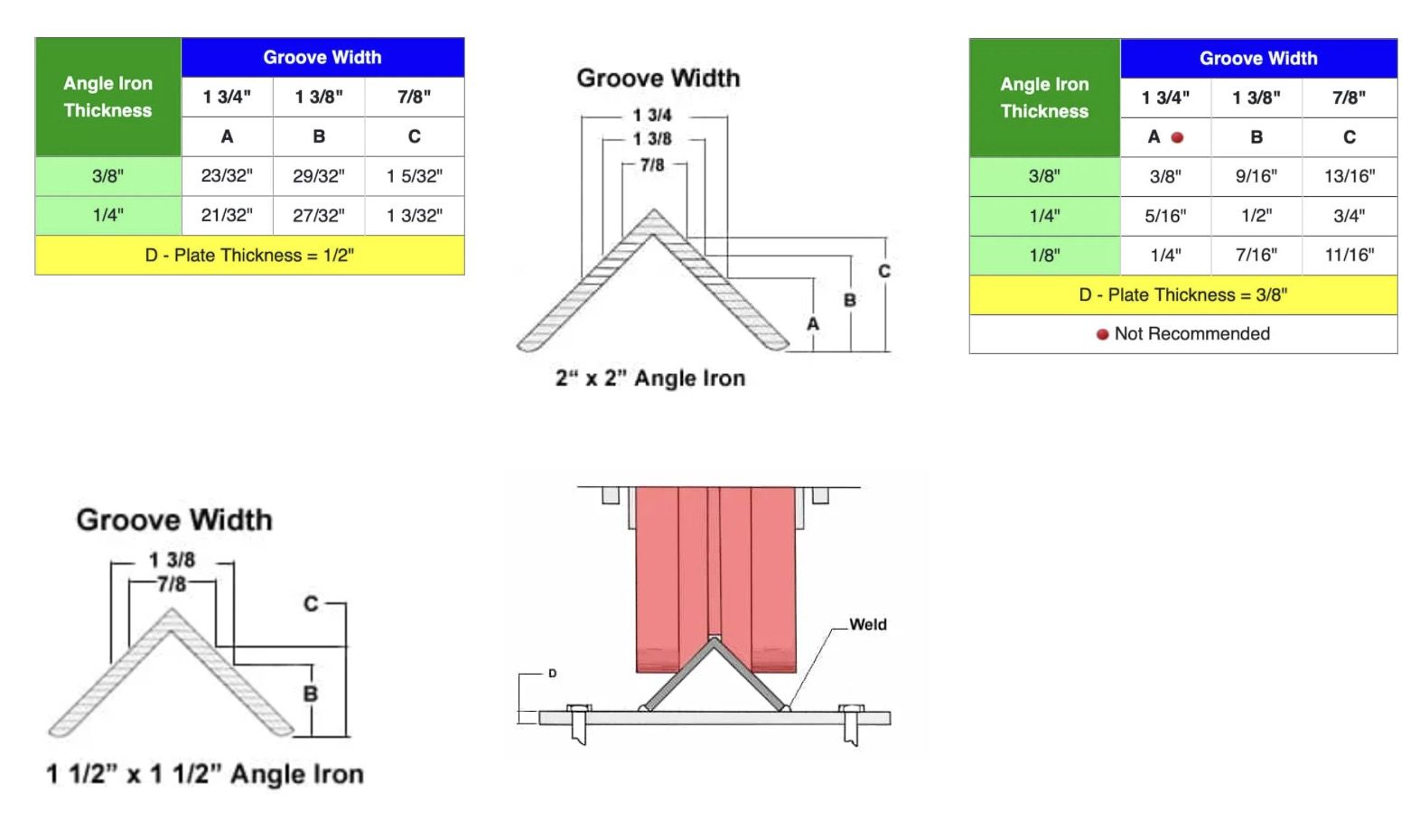
Mastering Industrial Navigation: The Power of V-Groove Casters
Navigating Precision with V-Groove Caster Wheels
Caster wheels are the unsung heroes of many industries, quietly gliding heavy loads from one point to another. Among these, V-groove caster wheels stand out as the precision guides, designed for a unique purpose – rolling on inverted angle iron tracks.
Elevated Efficiency:
The genius of V-groove caster wheels lies in their ability to elevate equipment slightly off the ground, minimizing the challenges posed by floor debris. This means smoother navigation and fewer interruptions in your workflow.
Balanced Load Distribution:
At the heart of their design is the relief groove at the base of the “V,” which serves a crucial role – equalizing the load on each face of the angle. This ensures that your equipment maintains balance, even when dealing with uneven terrain.
Forged Steel for Durability:
For frequent operation, forged steel V-groove caster wheels are the champions. They minimize wear on the V-groove sides, ensuring longevity and reliability. And when they’re not rolling on tracks, their substantial wheel tread allows them to effortlessly glide on smooth floors.
Caster City Also Manufactures Solid Stainless Steel V-Groove Wheels here.
Parallel Precision:
Here’s the key: V-groove wheels perform best when the tracks they’re on are parallel, straight, and level. Any deviation from this ideal setup, and you risk binding or the wheels running up over the track.
The Precision of Straight Roller Bearings:
V-groove caster wheels come standard with straight roller bearings. These bearings allow only 1/16″ total end play, meaning there’s minimal side-to-side movement, keeping your equipment on a precise path.
In industries where accuracy is paramount, like manufacturing and material handling, V-groove caster wheels are the guiding force. They’re the unsung heroes that ensure your heavy loads move precisely and smoothly, no matter the terrain. So, the next time you see equipment rolling effortlessly on a track, you’ll know that V-groove caster wheels are at the heart of that seamless journey.
Kingpinless Casters Explained: Twice the Strength, Zero Weak Points
Understanding Kingpinless Casters
Industrial equipment needs casters that can hold extreme loads without failure. Traditional kingpin casters have long been used in heavy-duty environments, but they contain a hidden weakness: the kingpin bolt. This bolt, usually about 5/8 inch in diameter, concentrates all the load into a small area. Over time, it can loosen, stretch, or even fail under repeated impacts.
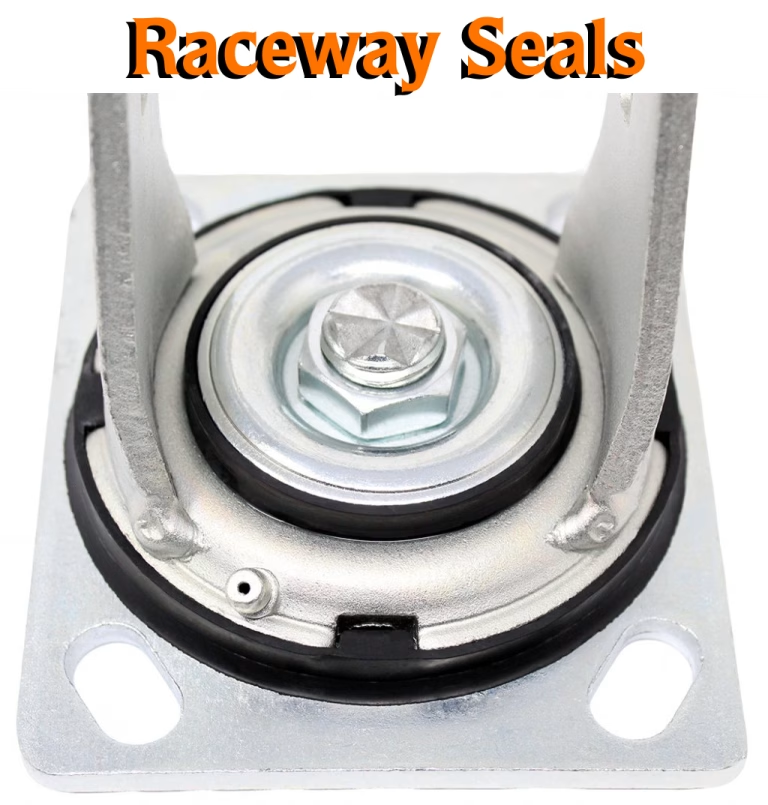
Kingpinless casters solve that problem. Instead of relying on a single kingpin, the design uses a hardened raceway with ball bearings that spread weight across a much larger surface area. This distribution increases durability, reduces stress points, and allows the caster to carry more real-world weight with the same size bracket, yoke, or fork.
What Makes a Kingpinless Swivel Bearing Different?
Traditional kingpin casters connect the top plate, bearing raceway, and yoke with a single bolt or rivet. This design has several weaknesses:
The kingpin becomes a stress concentration point.
Over time, the bolt can loosen, reducing caster stability.
Repeated impacts can stretch the bolt, causing bearings to fall out of the raceway.
The kingpinless swivel bearing eliminates the central bolt entirely. Instead, the top plate and yoke are connected by ball bearings rolling inside a precisely machined, hardened raceway. For example, in a kingpinless caster with a 2-3/8 inch swivel bearing, the circumference is over four times larger than the 2-inch circumference of a 5/8 inch kingpin bolt. That expanded diameter spreads industrial forces over a much larger circle, which dramatically improves impact resistance and long-term performance.
How the Design Handles Weight
By distributing the load over the raceway instead of a single bolt, kingpinless casters support more weight with the same size bracket. In many cases, they handle more than twice the real-world weight of a traditional kingpin caster of the same dimensions.
This makes them an excellent choice for industries where heavy loads, frequent movement, and shock forces are common. Manufacturing plants, material handling facilities, and staging applications all benefit from the extra strength.
For high-capacity needs, explore heavy-duty designs like the Plate Caster Model 30 or stainless steel options such as the Stainless Steel Caster Model 9. Each offers the rugged construction needed for demanding environments.
Maintenance and Service Features
All Caster City kingpinless turntables and casters include grease fittings. These fittings allow users to lubricate the swivel bearing quickly, which reduces wear and extends service life. A simple preventive maintenance schedule—cleaning debris from the raceway and adding grease at intervals—keeps casters rolling smoothly under full load.
Unlike kingpin bolts that can loosen with use, the hardened raceway of a kingpinless design resists separation. This lowers the risk of catastrophic failure in the field.
Applications for Kingpinless Casters and Turntables
Kingpinless casters and turntables excel anywhere equipment must carry heavy weight with stability and control. Common uses include:
Stages and theatrical platforms – smooth rotational movement without offset.
Machinery positioning – robust swiveling under high load.
Material handling – long service life in demanding plants.
Outdoor equipment – corrosion-resistant stainless models for wet conditions.
Because the turntable design maintains the same capacity regardless of which top plate is selected, you can choose the mounting style that best fits your setup without sacrificing performance.
Key Advantages of Kingpinless Casters
Stronger Load Distribution
The raceway diameter in a kingpinless caster is three to four times larger than a kingpin bolt. This distributes forces evenly across the bearing surface, reducing concentrated stress and improving caster lifespan.
Resistance to Abuse
The absence of a central bolt means fewer failure points. Kingpinless casters handle repeated shock and side impacts that would damage traditional designs.
Greater Real-World Weight Capacity
Because the design spreads force over a larger area, kingpinless casters often support more than twice the working load of a traditional caster with the same frame size. For applications that demand reliability, this added capacity prevents downtime and equipment damage.
Service-Friendly Design
Grease fittings allow quick lubrication, and the hardened raceway requires less maintenance overall. This reduces costs across the caster’s service life.
Custom Options
Caster City offers a range of kingpinless casters, from zinc-coated to stainless steel finishes, and from light-duty to super heavy-duty frames. For example, the Plate Caster Model 50 is a proven solution for industrial environments where durability and strength are essential.
How to Select the Right Kingpinless Caster
Choosing the right caster requires a clear review of your needs. Follow these checks:
Load capacity – confirm the total cart weight, divide by the number of casters, then add at least 25 percent as a safety margin.
Environment – consider temperature, moisture, and chemical exposure. Stainless steel casters resist corrosion in washdown or outdoor areas.
Wheel material – polyurethane protects floors, rubber adds grip, and steel wheels carry maximum loads on rough surfaces.
Mounting style – choose the correct plate or stem to fit your equipment.
Service features – confirm grease fittings and sealed bearings for long-term performance.
High Capacity Casters Explained: Types, Materials, and Safety Tips
Heavy equipment should roll, not fight back. If wheels fail, people get hurt and projects slow down. High capacity casters solve that by pairing strong frames with smart wheel choices. You will learn the main caster types, how to match load capacity to the job, and which materials deliver long service in tough work.
What Are High Capacity Casters?
High capacity casters are industrial casters built to carry far more weight than standard wheels. They mount under carts, racks, and machines in warehouses and plants. You will see both plate casters that bolt on and stem casters that post into a socket.
Common wheel materials include stainless steel for strength, phenolic resin for heat and impact resistance, rubber for shock absorption, and polyurethane for smooth, quiet rolling. Material choice affects load capacity and life span, so match it to your floor and use case.
Casters come in two main designs. Swivel casters rotate a full circle for easy steering. Rigid casters track in a straight line for control on long runs. Many models add caster brakes that lock the wheel, the swivel, or both. Some heavy models include reinforced bearings for thousands of pounds. Kingpinless casters remove the center pin to reduce failure in shock and side load conditions.
Pick wheel design and material on purpose. The right choice improves mobility, increases life, and protects your floor.
Types of High Capacity Casters
High capacity casters come in several forms, each built for heavy-duty jobs and different equipment needs. Picking the right type will boost performance, safety, and ease of movement, crucial for industrial casters handling max weight loads.
Swivel Casters
Swivel casters turn in any direction, which helps in tight aisles and busy lines. Choose wheel material to fit your surface. Polyurethane and rubber roll quietly and resist floor damage. Phenolic handles heat and heavy impacts.
Engineers like the control and low push force under high load capacity. Buyers match plate or stem mounts to the cart frame. Many swivel models include a locking mechanism for hold-at-load tasks. You can size them for light tool carts or heavy equipment. Kingpinless swivel options improve life where shock loads are common.
See how rigid casters compare next; they offer different strengths worth considering for straight-line movement needs.
Rigid Casters
Rigid casters keep gear moving straight, with no side turning. That simple frame adds strength for heavy-duty use and repeat routes. Since 1977, Caster City has supplied rigid casters for maximum loadbearing tasks.
Choices include phenolic, rubber, and polyurethane wheels. Engineers often pair two rigids with two swivels to guide long runs while keeping turns easy. Our site lets you filter by size, wheel type, and capacity fast.
Rigid casters provide stable, fixed-path transport for large machines.
Dual-Wheel Casters
Dual-wheel casters carry maximum load capacity by splitting weight across two wheels. Wider stance means better weight distribution and lower floor stress. The setup also reduces rolling resistance at the same diameter.
Select phenolic, polyurethane, or rubber based on floor and duty cycle. Dual-wheel designs improve tracking with large loads. They deliver better mobility for larger loads in tight turns. Caster City offers dual options built for long service in hard use.
Pneumatic and No-Flat Casters
Pneumatic wheels are air filled and absorb shock. They roll over cracks, cords, and debris with less bounce. Use them for mixed terrain or outdoor runs where smooth travel protects the cargo and the frame.
No-flat casters look similar, but use solid cores to avoid punctures. These wheels keep rolling when nails or chips are on the floor. Both options add traction where surfaces change fast. That steadies load capacity from shift to shift.
Key Features to Look for in High Capacity Casters
Choose industrial casters that give strong support and use proven designs. The right pick keeps heavy loads stable and moving on schedule. Use this quick checklist before you buy.
Required load per caster, include a 20 to 30 percent safety margin.
Wheel material for the floor, concrete, epoxy, tile, or grating.
Wheel diameter for lower push force and obstacle clearance.
Tread type for noise, grip, and wear, like rubber or polyurethane.
Bearings for duty level, like ball, roller, or precision types.
Mounting style, plate or stem, and bolt pattern fit.
Caster brakes or total locks for safe loading and parking.
Load Bearing Capacity
Load bearing capacity is the rated weight a caster can hold. Use the total weight of the cart, the load, and any tools. Divide by the number of casters, then add a safety margin. Uneven floors shift weight to one or two casters, so extra margin prevents failure.
Larger wheels support more load and reduce rolling resistance. Even weight distribution across all casters keeps frames square and bearings healthy. Swivel functions help with turns, but the rating must still meet the job.
Durability and Material Strength
Wheel material sets the base for durability. Steel wheels carry very high loads and survive impacts but can mark floors. Polyurethane blends high capacity with floor protection and quiet rolling. Phenolic resists heat and oils and works well under shock.
Build quality matters too. Thick forks, hardened axles, and quality welds extend life at full load capacity. Match material to floor and duty cycle. Engineers and buyers should align the selection with the job, then check size and tread next.
Wheel Size and Tread Type
Wheel size affects load capacity and push effort. Larger diameters roll easier over gaps and debris. Very small wheels can stall or damage floors under heavy load.
Tread picks the balance of grip, noise, and wear. Thick rubber protects floors and runs quiet, but may wear faster at extreme loads. Polyurethane gives smooth rolling and strong life in harsh conditions. Match softer treads to clean indoor floors. Use harder treads for rough or outdoor routes. The correct wheel size and tread type keep gear moving with less strain.
Benefits of Using High Capacity Casters
High capacity casters raise load limits and improve daily flow. The right match of caster type and wheel material speeds safe transport across your site.
Enhanced Load Security
Stable wheels help keep loads steady during stops and turns. Better weight distribution lowers tip risk and protects parts. Safety features like brakes, toe guards, and wheel chocks limit unwanted movement on docks and ramps.
Tough frames prevent failure under high stress. Durable casters reduce bounce and sway that can harm goods or people. Safer moves lead to fewer incidents in warehouses and plants with frequent material handling.
Increased Efficiency in Moving Heavy Loads
With the right industrial casters, teams move more with less effort. Swivel units cut turn time in tight lanes. Rigid units track straight on long runs. That mix reduces route time and labor.
Rubber and polyurethane wheels lower floor friction and noise. Less resistance means fewer push or pull injuries. Good caster systems handle higher weight capacities, helping crews stay on pace through the full shift.
Ergonomic Benefits of High Capacity Casters
Better ergonomics show up in fewer hard pushes and awkward pulls. Strong, well built casters roll with less force, so carts glide instead of fight. People stay comfortable longer and finish tasks with less fatigue.
High capacity casters also smooth out bumps on rough floors. That protects both cargo and wrists. Sudden stops and jolts drop, which lowers injury risk. OSHA has linked fit-for-task ergonomics with fewer lost workdays. Smarter wheel design, right wheel size, and correct tread all support this gain.
Follow company safety rules and equipment manuals. Ask a qualified engineer or supplier for help if the use case involves unusual loads, high heat, chemicals, or impact shock.
High-Capacity Polymer & Forged Steel Caster Wheels: The Ultimate Pair
Caster wheels are the unsung heroes of industries, quietly bearing substantial loads and ensuring seamless movement. Two types, in particular, deserve the spotlight for their exceptional qualities: Ultra High Capacity Polymer and Forged/Ductile Steel caster wheels. Let’s delve into why they’re the dynamic duo you need for your toughest tasks.
Ultra High Capacity Polymer Caster Wheels:
Exceptional Load Capacity: These wheels are the load-carrying champions. They provide high load capacity without the dreaded floor wear associated with metal wheels. This means you can move hefty loads without harming your precious floors.
No Flat Spots or Delamination: Unlike polyurethane wheels, there’s no need to worry about flat spots or delamination if these wheels are left parked for an extended period. They maintain their integrity and performance, ready to roll when you are.
Precision Craftsmanship: These wheels aren’t just molded; they’re compression-molded and then meticulously machined. Their straight-sided shape is designed to maximize load capacity, ensuring they can handle the heaviest of loads.
Forged/Ductile Steel Caster Wheels:
Unbeatable Strength: When loads are too heavy for floor-protective wheels or when extreme service conditions are at play, it’s time for forged or ductile steel caster wheels. These wheels are built to bear the brunt of demanding tasks.
Shock Absorption: Their high ductility and tensile strength enable them to absorb shock and impacts without breaking a sweat. In normal service, they are virtually unbreakable.
No-Fail Reliability: These solid, spokeless wheels are your guarantee of reliability. Their load ratings are determined solely by bearing capacity, and they stand strong under pressure.
Where Each Shines and How to Order:
Ultra High Capacity Polymer caster wheels are your go-to for heavy-duty loads where floor protection is a priority. They’re your floor’s best friend, preventing unsightly wear and damage.
Forged/Ductile Steel caster wheels step up when the work gets intense. They don’t flinch at heavy loads or harsh conditions, making them indispensable in demanding applications.
In the world of caster wheels, these two types are the powerhouses you can rely on. They’re built for the toughest tasks and deliver unwavering performance, ensuring your operations roll smoothly every time. Whether it’s Ultra High Capacity Polymer or Forged/Ductile Steel, they’re the ultimate wheel duo for getting the job done right.
How to Grease Heavy Duty Casters (Step-by-Step Guide)
Heavy-duty casters are built to handle tough conditions, but even the most rugged wheels need proper care to keep rolling smoothly.
In an industrial setting, greasing and properly maintaining the casters is one of the most important maintenance tasks you can perform to extend their lifespan, reduce noise, and maintain safe, effortless movement.
In this guide, we focus specifically on how to grease heavy-duty casters the right way—whether you are a DIY user or part of a professional maintenance crew.
Proper greasing can make a big difference. High-quality casters can last between five to ten years, but that range depends heavily on usage and care.
Maintaining caster regularly reduce failure-related downtime and replacement costs by over 50%, while slashing maintenance labour expenses by 75%. According to studies, overloading and lack of lubrication remain leading causes of caster failure, especially in industrial settings.
Tools and Prep For Safely Greasing Heavy Duty Casters
Grease gun
Multi-purpose lithium-based grease
Cleaning rags or cloths
Small brush or pick for cleaning grease fittings
Wrench or screwdriver (if disassembly is needed)
Protective gloves and safety glasses
To grease your casters effectively, having the right tools and materials on hand makes the process smoother and more efficient. Start with a reliable grease gun—either manual, or battery-powered—depending on your workload and preference. A manual hand-pump model works well for occasional maintenance, while a powered option is ideal for frequent servicing across multiple casters.
Use a high-quality, multi-purpose lithium-based grease, which is preferred for heavy-duty caster bearings. It offers excellent adhesion, water resistance, and load-handling capability. Avoid light spray lubricants like WD-40—they are not designed for bearing loads and won’t provide lasting protection.
Before greasing, thoroughly clean the caster with rags or microfiber cloths to remove old residue and debris. A small brush, such as an old toothbrush or wire brush, helps clear dirt from around grease fittings. You may also need a pick or toothpick to unclog any hardened grease inside zerk fittings.
Keep a wrench or screwdriver nearby in case you need to remove the caster or loosen the axle for better access. And always wear protective gloves and safety glasses to prevent contact with skin or eyes. Working on a clean, level surface with good lighting will make the task safer and more manageable. (manual or powered)
Step By Step: How to Grease Heavy Duty Casters
Before applying grease, it is essential to create a safe and effective workspace. Start by ensuring that the equipment is completely unloaded—never attempt to grease casters while they are under load, as this can prevent proper grease distribution and lead to injury.
Next, stabilise the equipment on a flat, level surface. If necessary, use jack stands or blocks to lift and secure it safely off the ground so the wheels can spin freely.
Wearing protective gloves and safety glasses is strongly recommended to prevent direct contact with grease, which can irritate the skin and eyes. Have a rag or absorbent pad on hand to immediately clean up any spills, as grease can make floors slippery and hazardous. Preparing in this way helps ensure the greasing process is smooth, controlled, and mess-free.
Now that you are fully equipped with essential tools, let’s see what you need to do:
1. Clean the Caster
Wipe off dirt and debris with a rag. Use a brush or pick to clean grease fittings (zerks) to ensure new grease can flow freely.
2. Locate Grease Fittings
Most heavy-duty casters have zerks on the wheel hub and swivel bearing. Rigid casters typically only have a wheel hub fitting. If no fittings are present, the caster may have sealed bearings and does not require greasing.
3. Apply Grease
Attach the grease gun to the fitting. Pump grease slowly until you see fresh grease begin to emerge from the bearing edges. Do not over-grease—this can cause seals to burst or attract excess dirt.
4. Rotate and Distribute Grease
Manually spin the wheel and swivel the caster to distribute grease evenly throughout the bearings. The motion should immediately feel smoother.
5. Wipe and Reassemble
Wipe away excess grease. If you removed the wheel or caster for access, reassemble and tighten all fasteners. Clean up the workspace.
6. Test Under Load
Place the equipment back down and test caster movement under weight. The caster should roll and swivel smoothly with no noise or resistance.
How to Grease Casters by Caster Type
Swivel Casters: Grease both the swivel race and wheel axle. You’ll typically find a grease fitting on the side of the swivel assembly and another on the wheel hub. For frequently rotated carts or dollies, greasing the swivel bearing is especially critical to maintain smooth directional control.
Rigid Casters: Grease the wheel axle only. These casters do not rotate horizontally, so there’s no swivel bearing to maintain. However, keeping the axle well-lubricated is key to ensuring minimal rolling resistance, especially under heavy loads.
Pneumatic Casters: Grease hub bearings if fittings are present. These casters are commonly used outdoors or on uneven terrain. Moisture and grit can build up quickly, so use a water-resistant grease and consider greasing more frequently.
Specialty Casters: Spring-loaded or stainless-steel casters may have different fitting locations or sealed parts—check manufacturer guidelines. Stainless casters often include fittings specifically placed to resist corrosion and should be greased routinely to preserve performance.
Light and Heavy Duty Casters: The truth about Caster Flutter
Casters, heavy duty and light duty often have a common problem with vehicles that have caster wheels and is a type of instability that occurs most often when a vehicle is turning. Most of us have experienced caster flutter in the grocery store when we select a cart with a loose or loud wheel, or one that is difficult to steer. The problem occurs when the caster wheel starts to wobble and causes the shopping cart to shake.
Mechanically, caster flutter is caused by the caster angle changing as the wheel turns, which causes the wheel to oscillate. Caster flutter not only affects the steering of a vehicle, in a warehouse or industrial setting it is dangerous because it can cause the wheel to lose contact with the ground, which can lead to a loss of control. It can also be costly, because the instability of the vehicle caused by caster flutter may break or seriously damage fragile and expensive equipment being transported.
What Causes Caster Flutter
Caster flutter often occurs when a caster is subject to high loads and/or speeds. When this happens, the caster will start to sway back and forth, which can lead to instability and eventually failure. There are several specific causes of caster flutter, but the most common are loose caster wheels, casters mounted incorrectly, bent caster legs, and improper caster design. The good news is that there are ways to correct each of these problems.
Loose Caster Swivels
Uncontrollable fluttering can occur if the caster is too loose. The swivel should be tight enough so the caster (whether it is a light duty or heavy duty caster) will not move when the load is removed, but loose enough so the caster can turn smoothly. A swivel that is too tight will cause excessive friction and damage the swivel, casters or frame. Casters Mounted Incorrectly
If casters are mounted incorrectly, they can cause caster flutter. This is because the caster assembly is not able to rotate properly, which causes it to vibrate. This can lead to the caster becoming unstable and eventually collapsing. If the assembly is mounted incorrectly, it can lead to the caster or load being damaged. For example, if a caster is mounted with its axis pointing toward the direction of travel and the load is pushed over an uneven surface, the irregular motion will cause vibration that can damage the caster (heavy duty caster or light duty caster), the load, or both.
Bent Light and Heavy Duty Casters Legs
Bent caster legs are a common cause of caster flutter. When the legs are bent, they create a rocking motion that can cause the caster to lose contact with the ground. When the legs of the caster are not perfectly straight, they can cause the caster to vibrate when in operation. This vibration can eventually lead to the caster failing and breaking. To avoid this, it is important to ensure that the legs of your caster are always straight.
Improper Caster Design
Another primary cause of caster flutter is improper design of the caster system, especially in machinery with heavy duty casters. The caster system must be designed so that the caster wheel and the swivel assembly are concentric. In addition, the caster system must be constructed so that the kingpin is perpendicular to the ground. Improper system design can lead to increased friction and wear, which can eventually cause the caster wheel to become unstable and flutter.
Reducing Flutter in Light and Heavy Duty Casters
While caster flutter is frequently serious, and always frustrating, it can be mitigated with a few easy fixes.
You can reduce or minimize caster flutter by:
Using a longer kingpin.
Reducing the caster angle by using narrower caster wheel.
Improving friction by applying a dry lubricant (e.g., talcum powder) to the swivel assembly.
Using a larger bearing.
Increasing the distance between the axle and the top of the plate.
Conclusion
Caster flutter is a type of instability that can occur in caster-type steering systems. To avoid caster flutter, make sure that your caster wheels are properly adjusted and that the casters are mounted correctly. If your steering system is experiencing caster flutter, you may need to replace the wheels or legs.
At Caster City, we understand that not all caster applications are created equal. In high-demand environments—where automated guided vehicles (AGVs) operate around the clock—durability, stability, extend battery life through reduced effort, and load-bearing capacity are non-negotiable. That is where dual wheel AGV casters come in. Built for continuous duty and high-capacity movement, these heavy duty casters are engineered to deliver unmatched performance in industrial settings.
Caster City’s dual wheel AGV casters are engineered first and foremost for battery-powered performance. With resist heat build up polyurethane that minimizes and conserves energy, these casters are ideal for automated guided vehicles (AGVs) operating in high-demand, 24/7 environments. While their ergonomic efficiency comes by default, it is their battery-saving properties, smooth motion, and resistance to thermal fatigue that make them stand out.
We will break down what dual wheel AGV casters are, how they are designed, and where they are most effectively used.
What Are Dual Wheel AGV Casters?
Dual wheel casters are exactly what they sound like: caster assemblies featuring two wheels side by side within a single housing. This design distributes weight more evenly than single-wheel casters and reduces point load stress on flooring. In AGV systems, this translates to smoother motion, increased stability, and better tracking—especially under heavy loads or on uneven surfaces.
One of the most important features of dual wheel casters is their differential action. In traditional casters, turning often creates “scuffing”. Scuffing refers to the friction and abrasion that occur when a wheel rotates without the ability for independent motion between wheels. This not only wears down the wheel faster but also damages flooring over time.
Dual wheel casters solve this problem with a split-wheel configuration that allows each wheel to move independently. This differential action makes turning smoother, even from a stationary position, and significantly reduces both floor wear and rolling resistance. It is a critical feature for AGVs operating in tight spaces, where precision and efficiency are essential.
But what truly sets Caster City’s casters apart—especially for battery-powered AGV systems—is their material performance. Our specialized polyurethane formulation is engineered to minimize heat build-up through reduced hysteresis. This avoids overheating and melting during long duty cycles, preserving wheel integrity and extending battery life. The result is a caster that delivers ergonomic efficiency by default, with reduced rolling resistance and low startup force, all while protecting critical vehicle components.
These casters are often used when load capacity, floor protection, or stability are a concern. In material handling, especially in facilities running AGVs 24/7, dual wheel configurations extend caster life and enhance vehicle efficiency.
Load Capacity and Continuous Operation
Heavy-duty dual wheel AGV casters from Caster City are specifically engineered to support the intense demands of industrial automation. Key features include:
High Load Capacity: Casters are built to handle from 3,200 to over 15,000 lbs per caster, making them ideal for AGVs in manufacturing, aviation, and logistics.
Superior Load Distribution: Dual wheel configurations distribute weight more evenly than single-wheel casters, improving stability and reducing floor damage.
Enhanced Stability: Particularly important for large AGVs and robotic systems that require smooth, balanced movement.
Operational Longevity: The design reduces strain on AGV drive systems, enhances battery performance, and lowers the frequency of caster replacements.
Engineered by Caster City for 24/7 Performance
At Caster City, our dual wheel AGV casters are engineered with precision and built to perform. We utilize precision-engineered caster cores designed for durability in industrial environments and high-performance polyurethane treads featuring a crowned profile. This reduces floor contact, improves energy efficiency, and supports easier turning under heavy loads.
While many of the energy and durability benefits are covered throughout this guide, it is worth highlighting some of the lesser-known performance features:
Press-fit bushings minimize axial play and help stabilize movement during rotation
Reinforced mounting plates reduce vibration, particularly in high-speed applications
Sealed bearing systems support continuous use with minimal maintenance, even under harsh conditions
These precision-built components ensure long-term performance and reliability—keeping AGVs and industrial material handling systems running smoothly around the clock.
Our crowned tread design also reduces the contact patch with the floor, minimizing friction and allowing smoother motion over minor surface irregularities. Combined with our low-hysteresis polyurethane, this prevents excessive internal heat buildup—maintaining wheel shape and stability even during long duty cycles. These properties reduce startup force, preserve battery performance, and extend caster lifespan.
Built for 24/7 Industrial Environments
Dual wheel AGV casters from Caster City are built to perform in nonstop industrial settings. Whether operating on the factory floor, in automated warehouses, or within aerospace facilities, our casters maintain consistent performance through continuous use.
Our casters are built to withstand:
High-frequency rotation and maneuvering
Exposure to extreme temperatures, oils, and chemicals
Uneven surfaces and high-speed turns
This durability leads to lower maintenance intervals and reduced downtime, ensuring AGVs stay on task and in service.
Benefits for AGV Systems
In an AGV ecosystem, caster efficiency directly affects productivity. The right caster setup can:
Improve tracking accuracy and maneuverability
Reduce downtime due to fewer caster failures
Enhance battery performance by reducing startup and rolling resistance through crowned polyurethane treads, hardened wheel materials, and precision-sealed ball bearings
Deliver quieter, smoother rides that are ideal for precision-guided movements
Prevent excessive internal heat buildup with low-hysteresis polyurethane, helping maintain wheel shape and energy efficiency during continuous use
Technologies like maintenance-free bearings, low-friction materials, and precision tolerances are all part of how Caster City casters help optimize AGV functionality.
Industrial Applications
Dual wheel AGV casters are essential in industries that demand constant mobility of heavy loads:
Aerospace & Aviation – Ground support and maintenance vehicles
Automotive – Assembly line automation and material transport
Manufacturing – Pallet movement and industrial robotics
Logistics – Heavy racking systems and continuous transport vehicles
These environments benefit from casters that can handle both static and dynamic loads, uneven surfaces, and uninterrupted cycles.
Common Mistakes to Avoid When Choosing AGV Casters
Selecting the wrong caster can cost more in the long run. Some common errors include:
Underestimating load weight or floor conditions
Choosing materials incompatible with chemical or heat exposure
Overlooking the impact of rolling resistance on AGV battery life
ou find the perfect plate casters for your specific needs.
————————————————
Best 1000 lb Casters: Durable Solutions for Heavy-Duty Tasks
For heavy-duty industrial applications, reliable casters make all the difference. Whether you are moving large equipment, carts, or machinery, the right caster should be able to handle the weight and abuse of daily use while offering smooth and efficient mobility.
That’s where 1000 lb casters are utilized. Designed for durability and strength, these casters are built to withstand significant loads and harsh conditions, ensuring your operations run seamlessly.At Caster City, we take pride in manufacturing and selling some of the best casters in the USA. With a strong focus on quality and performance, our products have become a trusted choice for professionals in need of robust and reliable solutions.
Model 9 Swivel Caster with Blue Polyurethane on Iron Wheel
Features
Designed with a slight crown tread for smooth operation and reduced rolling resistance.
A blue polyurethane-on-iron wheel that combines toughness with maneuverability.
Swivel functionality for excellent mobility, even in tight spaces.
Maximum Capacity (lbs) 1200 lbs
Benefits
Withstands heavy industrial use, making it ideal for warehouses, factories, and large-scale operations.
Durable polyurethane compound provides exceptional resistance to wear and tear.
Reliable even under rough handling.
Why Choose This?
The Model 9 caster is known for its dependability and resilience. Its performance in demanding environments makes it a favorite among professionals looking for a durable yet versatile solution.
Model G15 Swivel Caster with Polyurethane on Iron Wheel
Features
Similar slight crown tread design for improved maneuverability.
Features a heavier iron hub, increasing the wheel’s weight and stability.
Constructed with premium polyurethane for superior longevity.
Maximum Capacity (lbs) 1200 lbs
Benefits
Ideal for applications requiring extra stability, thanks to its heavier design.
Performs exceptionally well in settings where stationary loads are common.
Maintains its integrity even under constant abuse.
Why Choose This?
The G15 caster strikes the perfect balance between durability and cost-effectiveness. Its robust construction ensures consistent performance, making it a reliable choice for heavy-duty tasks. The PYC wheel is about 30% heavier than the standard PY wheel due to the higher iron content in the hub, enhancing its strength and durability. Its polyurethane compound surpasses industry standards, taking more abuse than the G15 brackets can.taking more abuse than the G15 brackets can.
Choosing the Right Caster for Your Needs
Selecting the right caster depends on your specific requirements. Here are some additional tips to help make the best choice:
Environment: Consider the surfaces where the casters will be used. For rough or uneven floors, polyurethane wheels like those on the Model 9 and G15 provide excellent shock absorption.
Frequency of Use: For setups involving frequent movement, the Model 9’s lighter design offers better ease of handling. For less frequent but heavier stationary loads, the G15 excels.
Load Distribution: Evaluate how the weight will be distributed across multiple casters. Even with high-capacity casters, uneven distribution can lead to premature wear.
Custom Requirements: If your setup demands specific modifications, Caster City’s custom installation services can tailor a solution to meet your needs.
What Makes a Great 1000 lb Caster?
Choosing the right caster for heavy-duty tasks isn’t just about load capacity. Here are some key factors that set the best 1000 lb casters apart:
Durability: High-quality materials like polyurethane and iron ensure the caster can handle wear and tear without cracking or degrading.
Load Capacity: A solid 1000 lb caster must consistently bear heavy loads without compromising performance or safety.
Bracket Strength: The bracket supports the caster’s structural integrity. A robust bracket ensures the caster remains operational even under extreme pressure.
Performance Under Stress: Industrial environments often expose casters to harsh conditions, including rough surfaces, heavy impacts, and prolonged use. The best casters excel in these scenarios.
Ease of Maintenance: Maintenance is often overlooked but crucial. Casters designed for easy cleaning and quick part replacement save time and costs in the long run.
By prioritizing these factors, you can ensure your investment in casters delivers long-lasting value.
1000 lb Casters vs. Lower Weight Capacity Casters
While lower weight capacity casters are sufficient for lighter applications, there are distinct advantages to choosing 1000 lb casters for heavy-duty tasks:
Material Strength: Lower capacity casters often use softer materials like rubber or plastic, which can wear out quickly under stress. In contrast, 1000 lb casters utilize high-grade polyurethane and iron, ensuring durability and long-term performance.
Load Distribution: Heavy-duty casters are engineered to distribute weight more effectively, reducing strain on individual components and preventing premature failure.
Bracket Robustness: The brackets on 1000 lb casters are designed to handle greater stress without deforming or cracking, offering enhanced reliability in industrial settings.
Longevity: While lower capacity casters may require frequent replacements, 1000 lb casters provide extended service life, saving time and costs over the long term.
Versatility: 1000 lb casters are built to perform in challenging environments, from rough warehouse floors to outdoor industrial areas, where lower capacity casters may falter.
For operations involving high loads or frequent use, the benefits of investing in 1000 lb casters far outweigh the limitations of lower weight capacity alternatives.
Why Choose Caster City for 1000 lb Casters?
At Caster City, we pride ourselves on offering products that exceed expectations. Here’s why customers trust us for their heavy-duty caster needs:
American Craftsmanship: All our casters are made in the USA with rigorous quality control standards.
Proven Reliability: Models like the Model 9 and G15 are among our bestsellers, consistently delivering superior performance.
Custom Solutions: Need a specialized setup? Our two-week, non-refundable custom installation service ensures your casters are perfectly tailored to your needs.
Customer Satisfaction: We’ve built a reputation for reliability and quality, making our casters a preferred choice for professionals across industries.
Our team is ready to assist with any questions, ensuring you find the perfect caster for your application.
Need a CAD File for your Project?
And if you need CAD files, we’ve got you covered. Contact us today for instant access to our complete CAD database covering all of our Caster products. Our extensive CAD library includes detailed specifications for every model and wheel we manufacture, making it easy to find the exact caster or wheel for your project or need. For premium access to the full database, reach out directly to our Sales Engineer Team by clicking the button below
Caster City® has been supplying the highest quality plate casters, stem casters and wheels since 1977.rnrnThis include all casters and wheels: stainless, pneumatic, stem (threaded stem and expanding rubber stem ), swivel, rigid, locking, total locking, replacement, chair and furniture casters. Caster wheels include phenolic, rubber, polyurethane, polyolefin, steel, v-groove.rnrnCaster menu on the top of each page will help you quickly navigate to your desired caster. If you need any help, feel free to call us at: u003ca href=u0022tel:18005013808u0022u003eu003cstrongu003e800-501-3808u003c/strongu003eu003c/au003e


 November 12 2025