Your Cart
Total:
$0.00



 May 29 2026
 Ever marveled at how effortlessly your office chair glides across the room or how easily you can move your shopping cart through the supermarket aisles?
Whether they’re attached to your office chair, heavy-duty machinery, or even your shopping cart, casters play a vital role in enabling seamless movement.
Over the years, we’ve worked hand-in-hand with diverse businesses – retail stores, hospitals, factories, warehouses, you name it! Each industry has its own unique needs and taught us valuable lessons about the significance of caster maintenance.
However, just like any other component, casters require regular maintenance to ensure they continue to function smoothly. This article delves into the art of maintaining your caster wheels, troubleshooting common issues like caster flutter, caster wheel repair, and understanding when it’s time for a replacement.
Maintaining your casters is as important as caring for the main body of your equipment. Small as they might be, well-maintained casters keep your operations rolling smoothly!
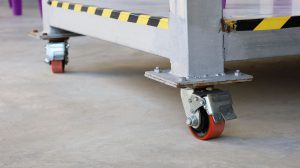
This article provides a comprehensive guide on properly maintaining your caster wheels, troubleshooting common issues, identifying when it’s time for replacement, and selecting the appropriate replacements.
Drawing from decades of hands-on experience in the industry, we’ve observed first-hand how regular caster maintenance can be a game-changer for business operations.
It’s not just about smooth movement, it’s about enhancing the overall productivity and efficiency of your business.
Here are a few reasons why caster wheel maintenance should top your priority list:
Additionally, regular caster maintenance also contributes to the eco-friendly initiatives of your business. By extending the lifespan of your casters, you reduce waste and promote sustainability and that is something we can all get behind.
Related: Caster Safety and Solutions: How to Ensure Stability and Avoid Risks
Ready to get your hands a little dirty?
Don’t worry, maintaining your caster wheels is not as daunting as it may seem. Here’s your handy step-by-step guide:
Inspect your caster wheels regularly for signs of damage.
During the inspection, look for:
Perform a visual inspection every month or after heavy-duty usage. Note down issues for future attention. Replace parts or casters which show significant damage. And finally, clear any debris or obstructions and tighten any loose parts.
Cleaning caster wheels regularly is one of the simplest things you can do to extend their life. You will need a soft cloth, a suitable caster wheel cleaner or lubricant (e.g., WD-40, silicone spray), and a brush or toothpick.
During cleaning:
Remember to wear protective gloves to protect your skin from potential irritants in the cleaning products.
A smoothly operating swivel ensures easier maneuverability.
During the cleaning process:
If pushing your equipment feels like a gym workout, you might need to adjust the caster’s tension.
For adjustment of the caster:
Fasteners hold the caster together and ensure its proper functioning.
During the inspection:
If it is damaged then replace the damaged fasteners immediately to prevent the caster from falling apart.
Even with regular maintenance, problems with caster Even with regular caster maintenance, problems with caster wheels are more common than you think.
We often get similar queries from our customers. Here are some answers to frequently asked questions to help you troubleshoot common problems:
This one is a common issue and it is usually a cry for help from your caster for some love.
Possible Causes: Lack of lubrication, debris in the wheel, worn out wheel.
Solutions:
If your wheel is giving you a tough time, it is asking for a little cleaning caster wheels session.
Possible Causes: Debris caught in the wheel, rusting, lack of lubrication.
Solutions:
Caster flutter, a type of instability most noticeable when turning, can cause the wheel to oscillate, affecting steering and safety. It’s often caused by high loads, speeds, loose swivels, incorrect mounting, bent legs, or improper design. To reduce flutter, ensure proper caster mounting, maintain optimal swivel tension, and choose casters with suitable design features for your specific needs.
Possible Causes: Loose fasteners, worn-out swivel, broken wheel.
You can reduce or minimize caster flutter by:
Solutions:
If moving your equipment feels like an uphill task, the casters are asking for help.
Possible Causes: Over-tightened casters, a caster type unsuitable for your flooring, or a damaged swivel.
Solutions:
Remember, if you run into a problem that you can’t solve, don’t sweat it! Our team at Caster City is always ready to roll to your rescue. Just give us a shout!
No matter how diligently you carry out caster maintenance, casters, like all things, have a lifecycle. It’s essential to recognize when you have a broken caster situation rather than a maintenance one, and know when to retire your old casters and bring in new ones., have a lifecycle. It’s essential to recognize the signs that indicate it’s time to retire your old casters and bring in new ones.
Here are a few key signs:
Remember, while regular caster maintenance can extend their lifespan, replacement becomes inevitable over time.
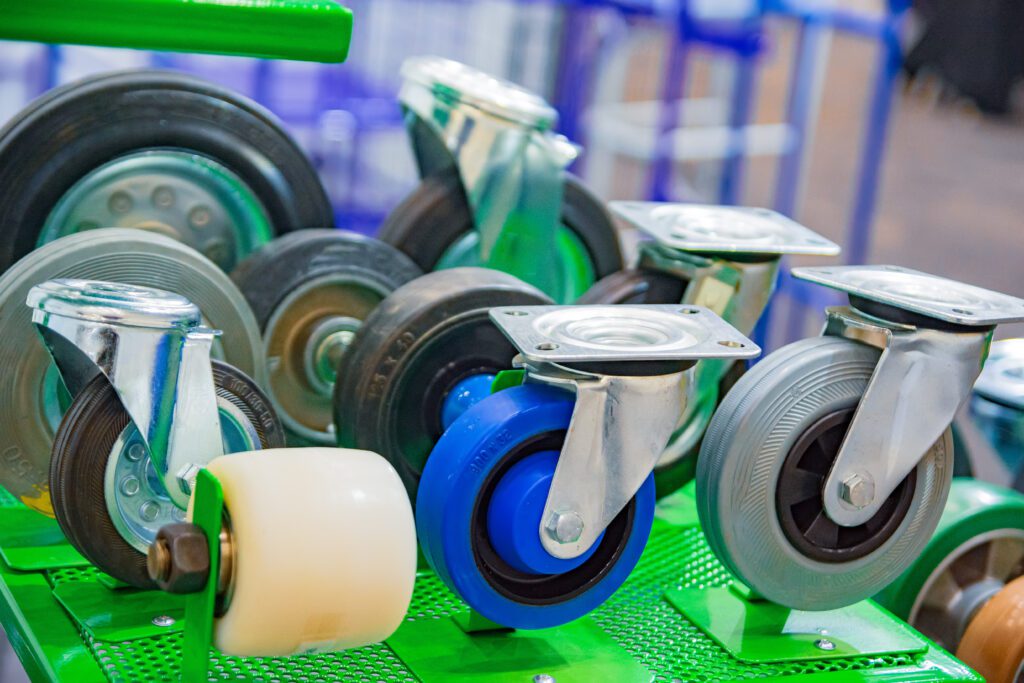
Selecting a new set of casters isn’t as simple as buying a new pair of shoes. It’s a bit more complex, and there’s more at stake here. Here are some pointers to consider when looking for a replacement:
Choosing the right replacement can be a bit of a puzzle, but don’t worry, we’ve got your back. If you need help selecting the perfect caster, feel free to reach out to us.
In the dynamic world of business, no component is too small to be ignored, not even the casters under your equipment! With proper caster maintenance, routine checks, and timely replacements, your casters can continue to provide reliable service, keeping your operations running smoothly and efficiently.
We hope that you found this comprehensive guide useful and informative. We’ve journeyed through the world of caster maintenance, troubleshooting, and even replacement.
At caster city, we’ve been your trusted partner in the caster industry, providing durable, high-performance caster wheels that meet the diverse needs of various industries. Our long history in the caster industry equips us with the knowledge and skills to provide valuable insights and tailored solutions for your unique caster needs.
Contact us today for more information, advice, or assistance with all your caster needs. Here’s to ensuring a smooth ride ahead!