Your Cart
Total:
$0.00



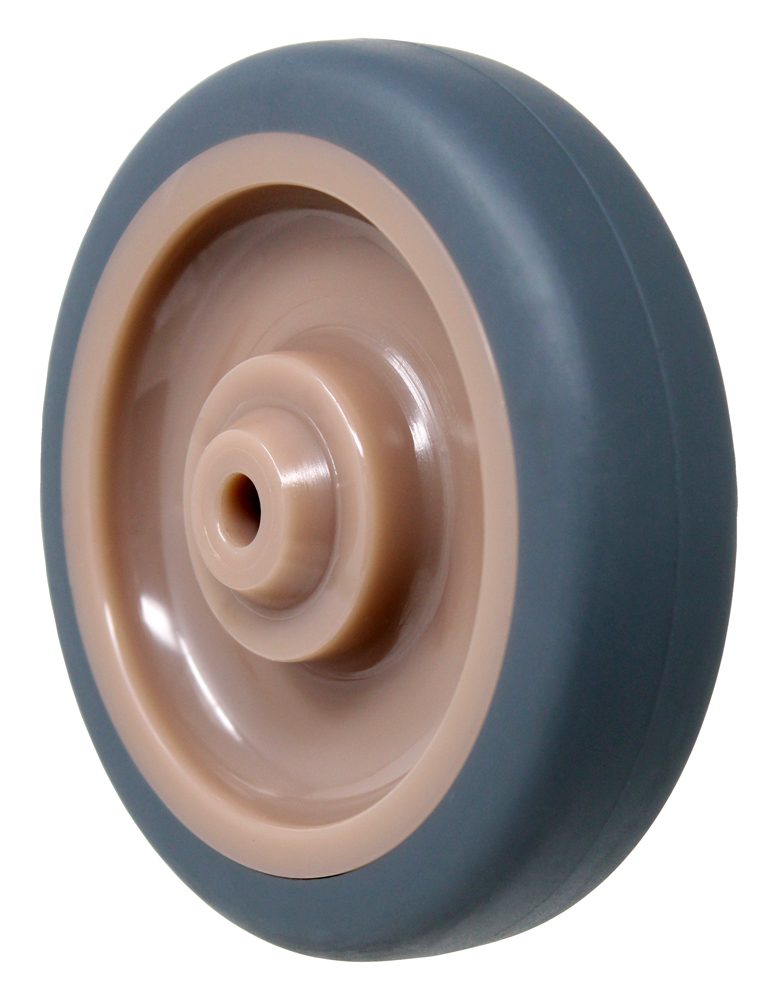
Engineered for the toughest sterilization environments, the Utility Heat™ Wheel withstands autoclave conditions of 15 PSI steam pressure at 250°F for 15–20 minutes, or 29 PSI at 273°F for 6 minutes. Its corrosion-resistant, plain bore design eliminates contamination risks during autoclavable processes, while the soft tread (Duro Shore A 75 ±5) ensures a quiet, smooth ride. Available in 3” to 6” diameters with load capacities up to 350 lbs, this wheel is the go-to solution for medical carts, lab equipment, and industrial systems requiring reliable high-temperature performance. Load capacity at room temperature only!
Autoclavable casters survive repeated sterilization cycles. An autoclave uses pressurized steam and very high heat to kill germs. These high temperature casters keep their shape and strength in cleanroom work and industrial tasks.
First, the wheel and rig must tolerate high heat and pressure. Materials like stainless steel and special thermoplastics do not soften or deform in the autoclave. Good designs also resist steam, water, and cleaning chemicals. That helps prevent rust, swelling, or cracking over time.
Hygiene matters in labs and hospitals. Casters need smooth surfaces and tight seals so dirt and liquid cannot hide. Bearings, axles, and brakes should keep working after many sterilization cycles. If parts warp or seize, equipment becomes hard to move, and safety drops fast.
Material choice drives performance in heat. Here are common options and why they work.
Stainless steel casters and phenolic wheels are common when daily autoclaving is required.
Clear material selection prevents failure during frequent heating and wash-down. The right fit helps keep sterilized gear mobile and safe.
Match caster design to the real job. The best choice balances heat, load, floor type, and cleaning methods. Strong autoclavable wheels and well-built rigs maintain performance during tough sterilization cycles.
Temperature rating shows the highest heat a caster can handle. In an autoclave, wheels see both heat and steam under pressure. Some plastics soften when hot, and some greases thin out. Review the full temperature range on the spec sheet before buying.
Exceeding the rating shortens life and cuts load capacity. That can lead to wheel failure or rough movement. For safety, confirm ratings with the manufacturer and follow your facility standards. A quick check now prevents costly downtime later.
Load-bearing capacity is the weight the wheel can safely support. It depends on wheel material, bearing type, and rig strength. Larger diameters often carry more weight and roll easier over joints or grates. Heat can weaken some materials, so choose a wheel that keeps its capacity at operating temperature.
To size your set:
For example, a 600 lb cart on four casters often uses three for support at any moment. Size capacity based on three casters, not four, to stay safe.
Heat and chemicals can wear parts fast. Durable choices, like phenolic wheels or high-grade polyurethane, handle repeated stress. Look for sealed bearings, heat-rated lubricants, and corrosion-resistant rigs. These features extend service life after many autoclave runs.
Since 1977, Caster City has built products for heavy daily use. The right design reduces maintenance and downtime. It also keeps motion smooth when the cart is fully loaded.
High-temperature areas often use harsh cleaners and disinfectants. Chemical resistance protects surfaces and bearings from swelling, cracking, or rust. Stainless steel, selected plastics, and certain rubbers resist many common agents.
Check the cleaners used in your facility. Match materials to those chemicals. A closed wheel hub can help block liquids from entering the bearing cavity. Better sealing improves life and reduces noise over time.
Autoclavable casters from Caster City deliver reliable quality for demanding heat. The catalog covers many sizes, wheels, and rig options. You can find a fit for cleanroom casters, food service carts, and more.
Caster City uses high-performance materials such as phenolic, rubber, polyurethane, polyolefin, and steel. These choices support heat resistance, cleanability, and steady rolling. Stainless hardware and careful construction help the casters handle heavy loads and frequent wash-down.
Each design follows strict manufacturing standards. That consistency means predictable performance in sterile areas. Many teams pick these industrial casters for long life through repeated autoclave cycles.
Standard parts work for many jobs, yet some projects need a unique setup. Caster City provides engineered options for high-temperature applications that require sterilization. The range makes it simple to align load-bearing wheels, wheel materials, and brake styles to your spec.
Support staff can guide selection or configure a special build. This helps engineers and purchasing managers solve space limits, floor issues, or unusual heat profiles. The result is safe and reliable motion even under tough conditions.
Speed matters when equipment is down. Since 1977, Caster City has shipped autoclavable casters quickly to keep projects moving. Orders go out fast, which helps maintain schedules for validations and audits.
Customer support is available on a dedicated line at 800-501-3808. Clear menus make selection simple. From quote to invoice, the process stays efficient, which reduces delays on site.
Showing all 4 resultsSorted by popularity

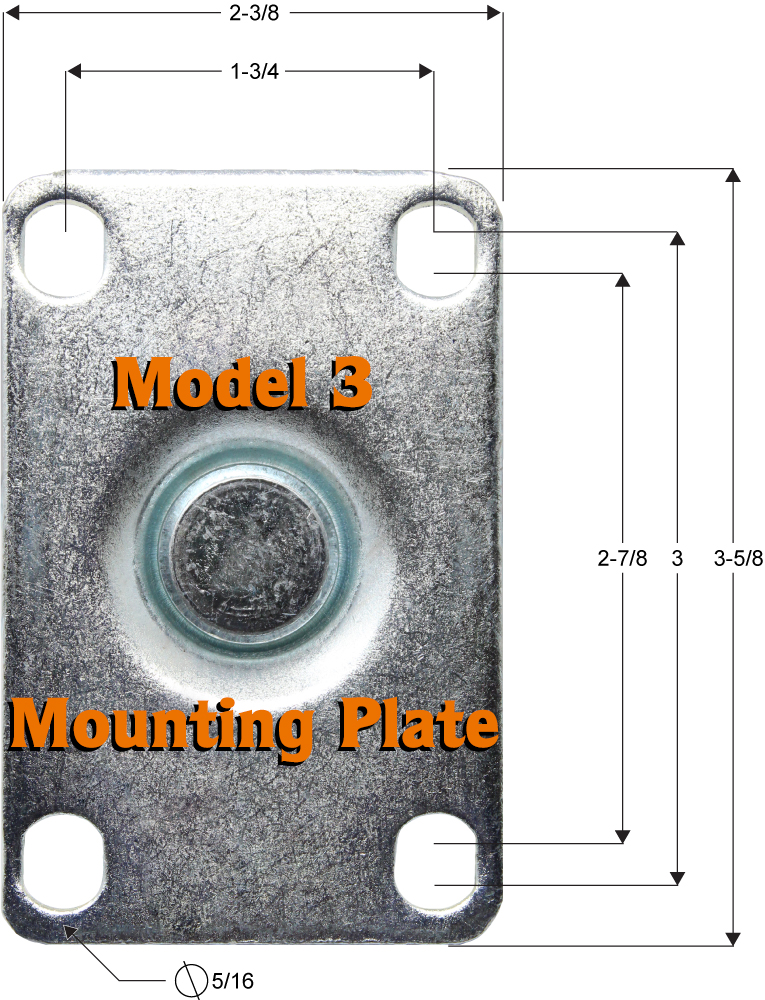
PN: SS316-3UT5X1.25P-S
Maximum Capacity (lbs)
300 lbs
Fastening Type
Swivel Plate
Wheel Type
Autoclave
Overall Height
6-1/4"
Wheel Width
1.25"
Wheel Diameter
5"

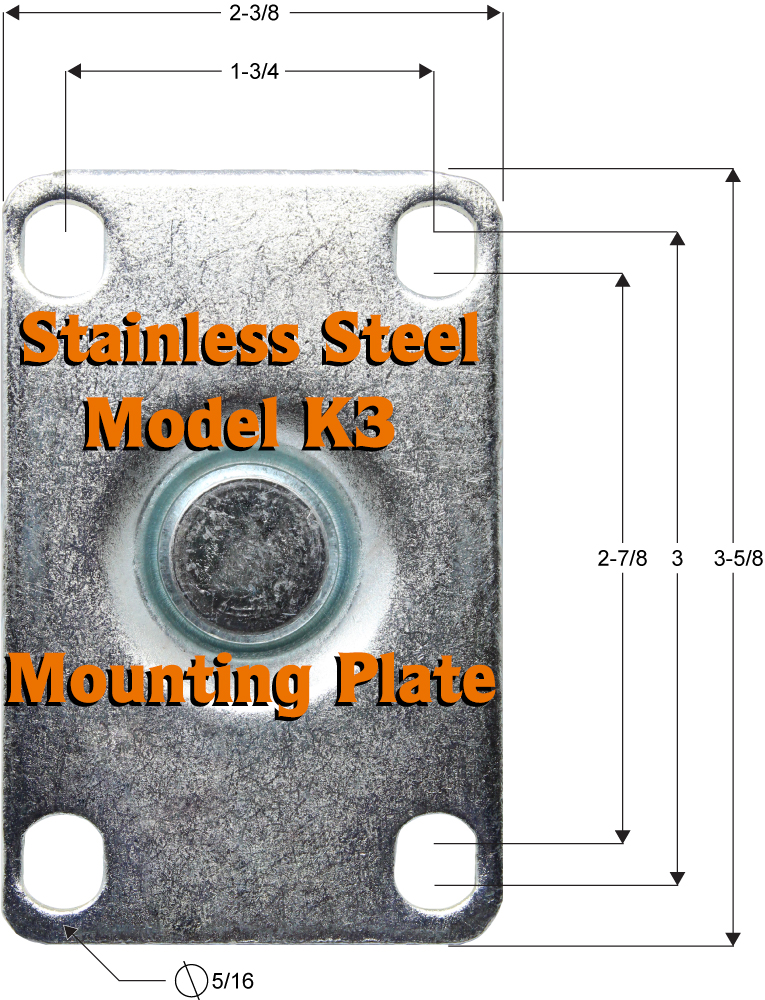
PN: Autoclave-SS-K3TM5X1.25S
Maximum Capacity (lbs)
300 lbs
Fastening Type
Swivel Plate
Wheel Type
Autoclave
Overall Height
6-1/8"
Wheel Width
1.25"
Wheel Diameter
5"
PN: SS316-3UT4X1.25P-S
Maximum Capacity (lbs)
225 lbs
Fastening Type
Swivel Plate
Wheel Type
Autoclave
Overall Height
5-1/8"
Wheel Width
1.25"
Wheel Diameter
4"
PN: SS316-3UT3X1.25P-S
Maximum Capacity (lbs)
200 lbs
Fastening Type
Swivel Plate
Wheel Type
Autoclave
Overall Height
4-3/16"
Wheel Width
1.25"
Wheel Diameter
3"















And if you need CAD files, we’ve got you covered. Contact us today for instant access to our complete CAD database covering all of our Caster products. Our extensive CAD library includes detailed specifications for every model and wheel we manufacture, making it easy to find the exact caster or wheel for your project or need. For premium access to the full database, reach out directly to our Sales Engineer Team by clicking the button below
Caster City® has been supplying the highest quality plate casters, stem casters and wheels since 1977.
This include all casters and wheels: stainless, pneumatic, stem (threaded stem and expanding rubber stem ), swivel, rigid, locking, total locking, replacement, chair and furniture casters. Caster wheels include phenolic, rubber, polyurethane, polyolefin, steel, v-groove.
Caster menu on the top of each page will help you quickly navigate to your desired caster. If you need any help, feel free to call us at: 800-501-3808

Whether you’re in aerospace or pharmaceuticals, we have a caster tailored to your unique needs.

Our casters undergo rigorous testing to ensure they stand up to the demands of your industry.

Not finding what you’re looking for? Our team is on standby to craft a caster solution just for you.

We’re more than suppliers; we’re industry experts. Let’s find the best caster solutions your challenges.